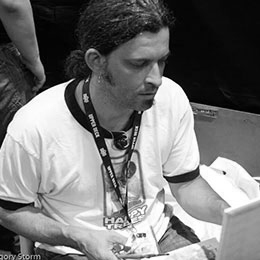
Ron Lemen is an illustrator/painter, educator, and designer.
Ron's career first took off in the Action Sports Industry working as a board graphic illustrator, layout artist, logo and product designer. From there he turned to sequential story telling as well as doing book covers, interior illustrations and the newly emerging market of concept design. During this time he went back to train, found and graduated from the Atelier System. He was also mentored by Sebastian Capella, Spanish portrait virtuoso.
Ron has been a concept designer and art director in the video game and film industry for 15 years with dozens of clients including Harmony Gold, Amazon, Sony, Activision, Ubi Soft, Mattel and more. Now freelancing full-time, his clients include Upper Deck, Dragon lance, White Wolf, Time Warner, Wizards of the Coast, Image Comics, Birdhouse Projects, Ride Snowboards, Disney, and more.
In addition to illustrating and Portrait Painting, Ron has been an art instructor for nearly 25 years, teaching for X-Train, LAAFA, CGMA, Gnomon, Studio 2nd Street, Park Blvd Studios, Sony, The Art Department, and Rev Art Academy.


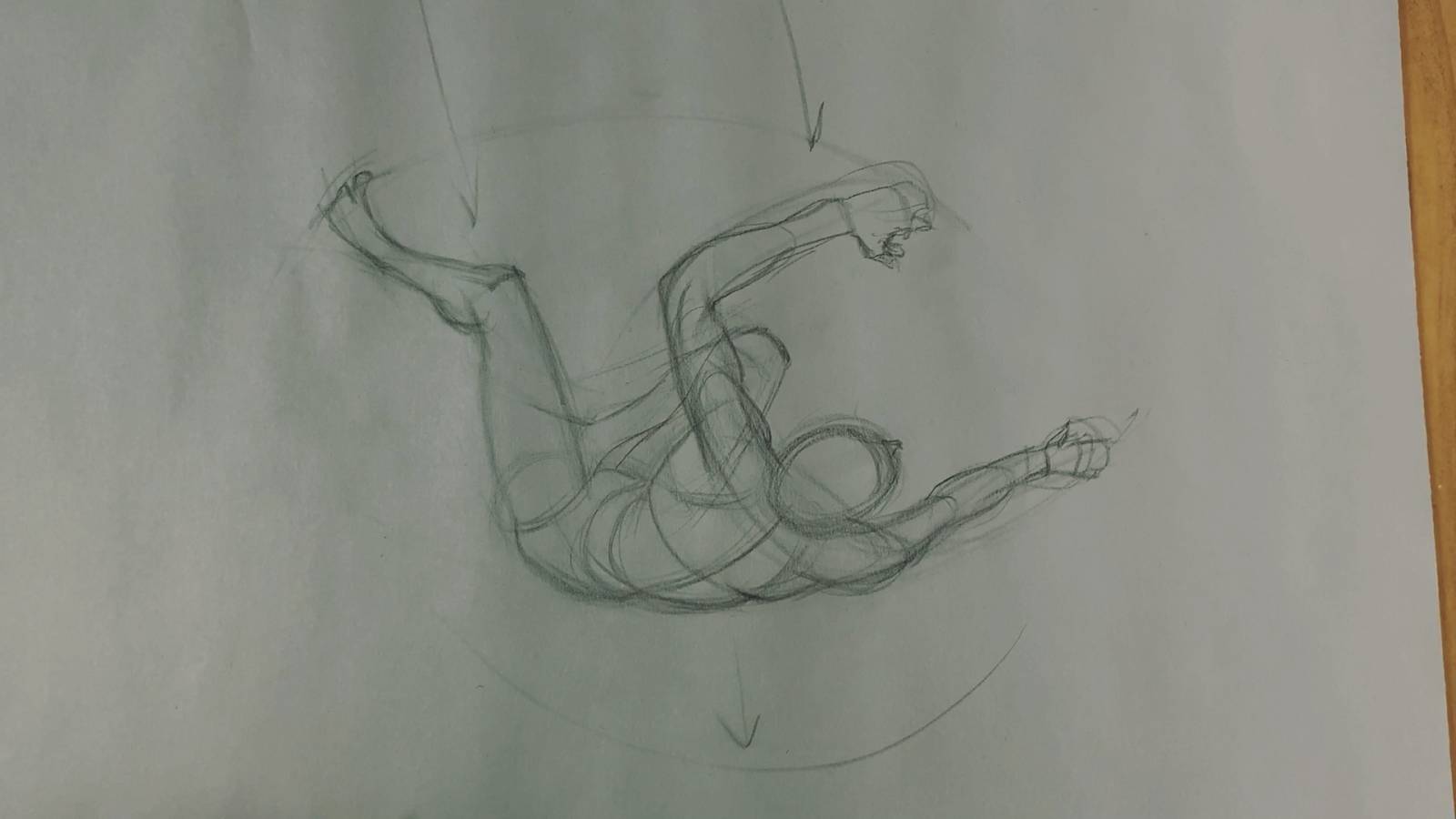
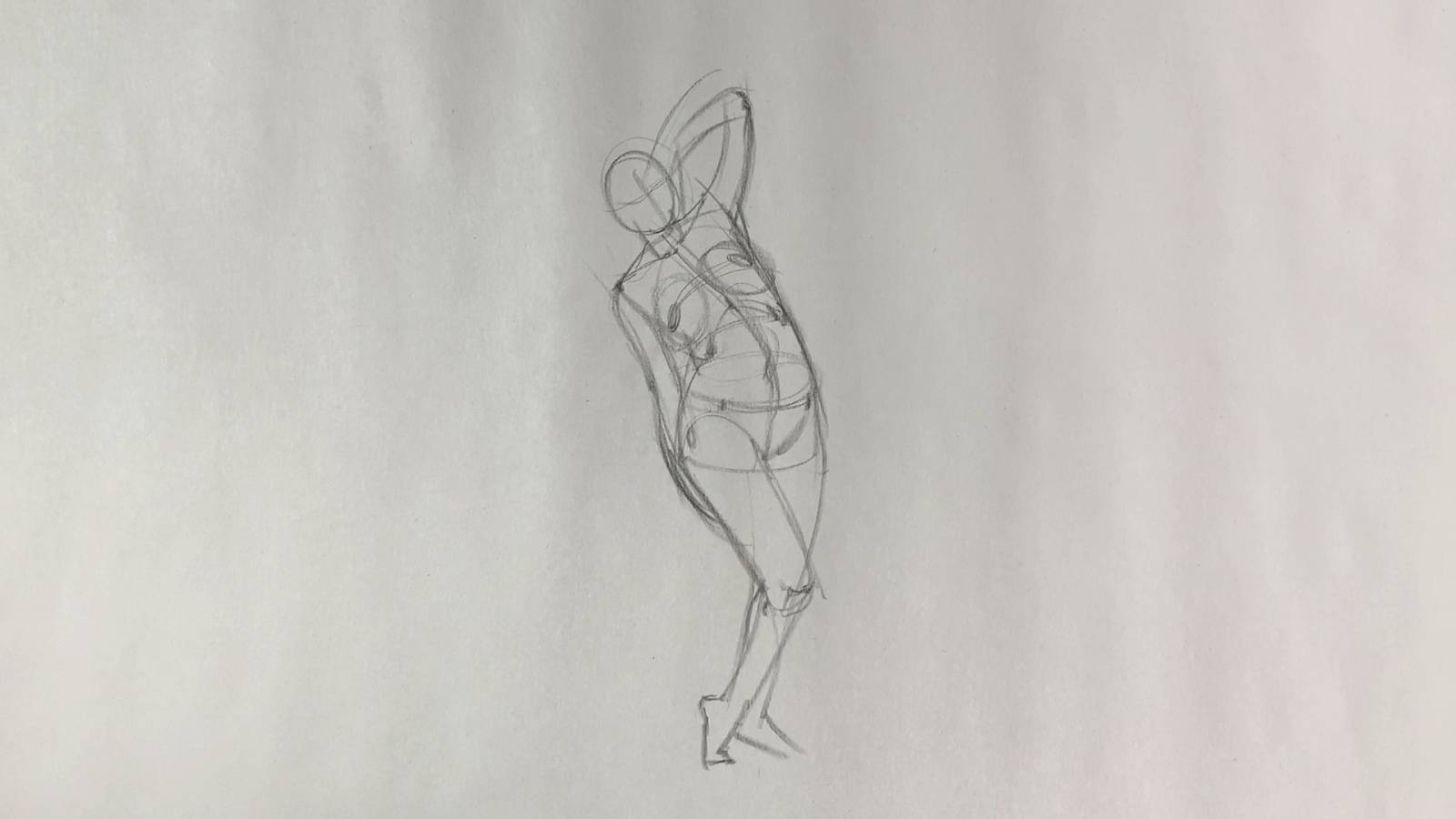
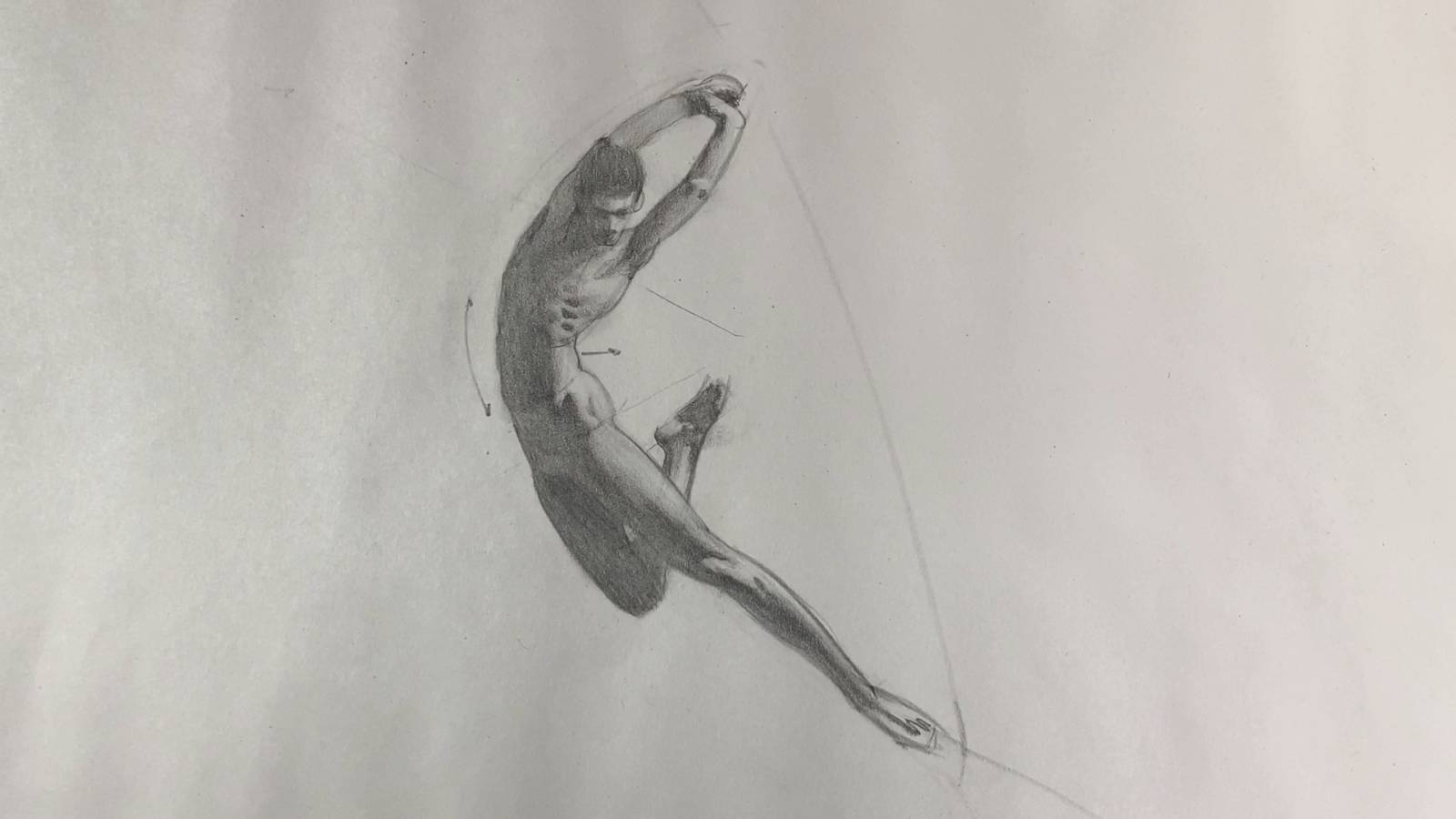
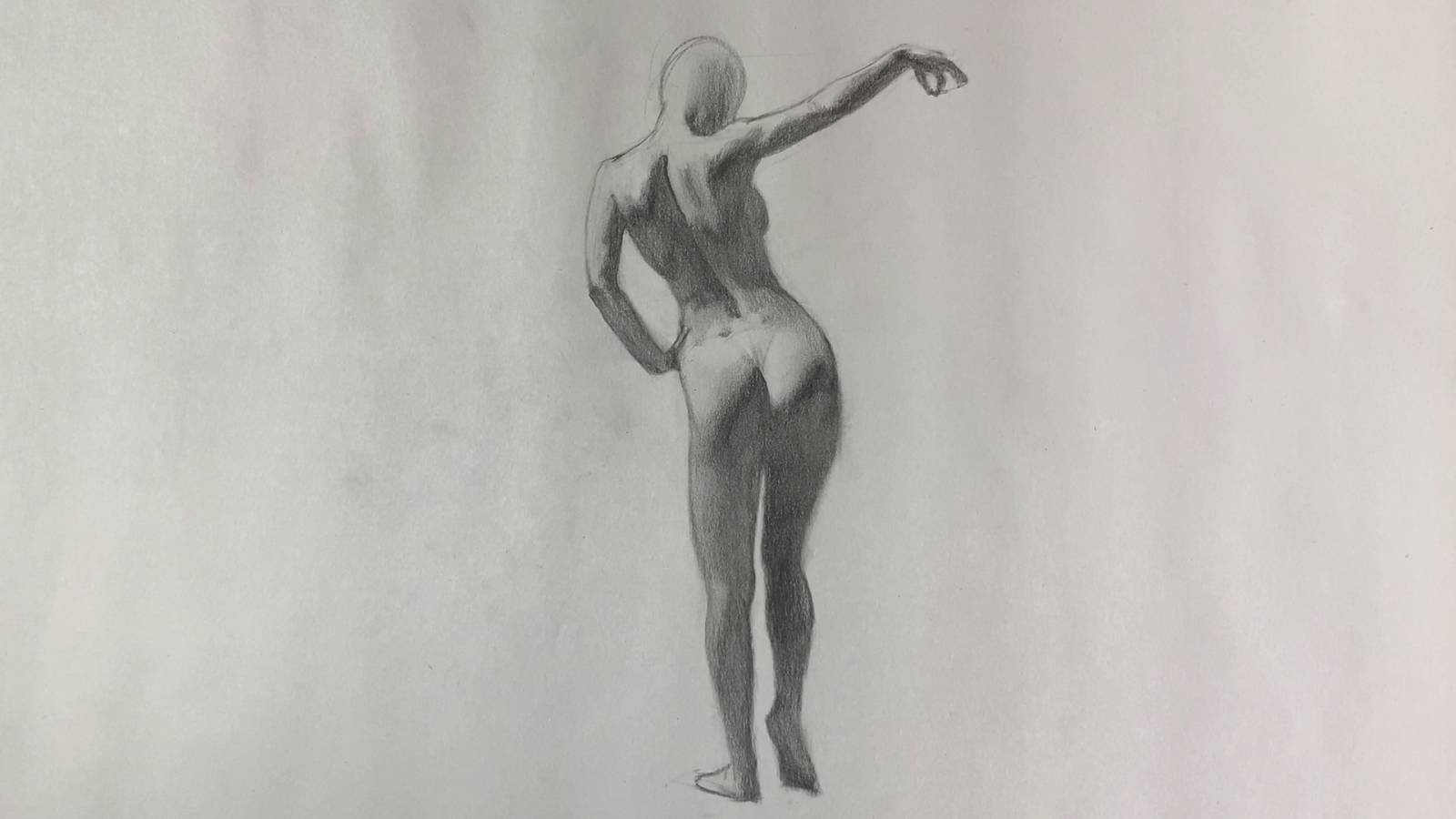




Great video Ron. On the topic of hangups, I wonder if you’d have something to say about keeping accurate proportions when drawing the figure from imagination or changing the angle of a figure from a reference. This is especially tough when there’s foreshortning involved.
Punibaba something to remember, there is draw what you see, and there is draw what you know. With the figure, there are “ideal” measurements to build from. Memorize these, solidify their meaning with life drawing, finding the proportions in your life drawings to confirm the measurements. The hard part now is comparing your made up drawings to your memories of what works and what does not based upon your life drawing experiences.
The two play off of each other. What you know informs of what you see, what you see confirms the other with accurate drawing, and the two are reinforcing each other. The only way to really break free of the reference is to do more invention with the same intentional finish to them. It is through these experiences that you will learn to harness imaginative realism.
But, keep in mind that hand in hand with the figurative exercises, perspective and spatial recognition must also be practiced to learn and develop an intuitive sense of depth and space, how it works, and how to visually control it.
Lastly, how do you “look” at your own work? Do you see it for what it is trying to be? Or do you draw with the “hope” that it will work out? There is a certain “sensor” you are developing as you work that helps you make a “realistic” connection with your work to help you see the vision no one else can.
I hope this makes sense-this is not a simple answer and it requires a lot of periphery discussion to help summarize the total experience. Thank you for asking and have a great weekend.
Suggestion for a future article: How to iterate on a composition.
I find that I tend to get stuck on my original concept, and any attempts I make to create new ones tend to feel
half-hearted.
This is a really useful post. Thank you.
This is a really useful post. Thank you. It helps to see this process demonstrated.