

The submission process for writing illustrators isn’t a linear path. Today, I thought I’d outline the process on becoming an author-illustrator while sharing a bit of my own experience of emerging from the slush pile.
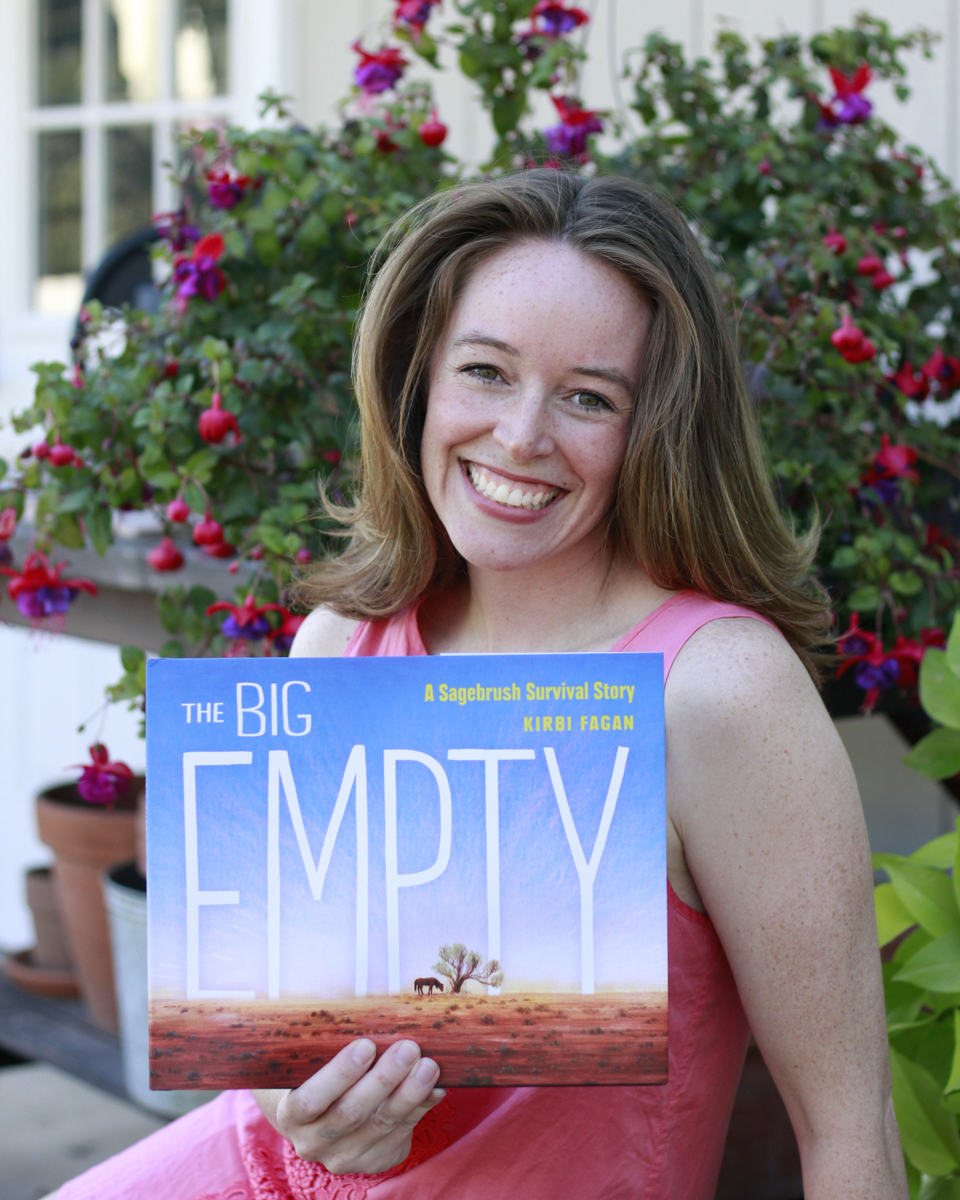
Submitting Solo
Most illustrators will relate to pitching their artwork to an art director. I walked that path standing in line or paying for portfolio reviews to get my work seen for many years. Mailing or emailing an art director (with care and research) is still a profitable way to put your artwork out there in 2025. As opportunities came in, the circus tent of my career started to have more and more structure.
I dove into longer term illustration gigs, l enjoyed these immensely, feeling less like the tail of the dog and more like of part of the team. These deeper relationships made my tent sturdy and art directors got to know me more and see my skills – willingness, creativity and trustworthiness.
But my career circus tent had these flapping side panels that showed me more places I could grow. I needed more training in my writing to make it happen, with the same effort I put towards making artwork. I realized I’d need to expand my relationships in this arena as well. It felt like starting over.
Typically, art directors don’t hold buying power to purchase manuscripts. While it’s not the typical route to publishing, I was able to submit manuscripts with established art director relationships that I met through working in cover art. They were kind to pass the works to their editors but these relationships were limited. The contracts involved were much bigger than what I was used to and it became clear I needed help from a literary agent.
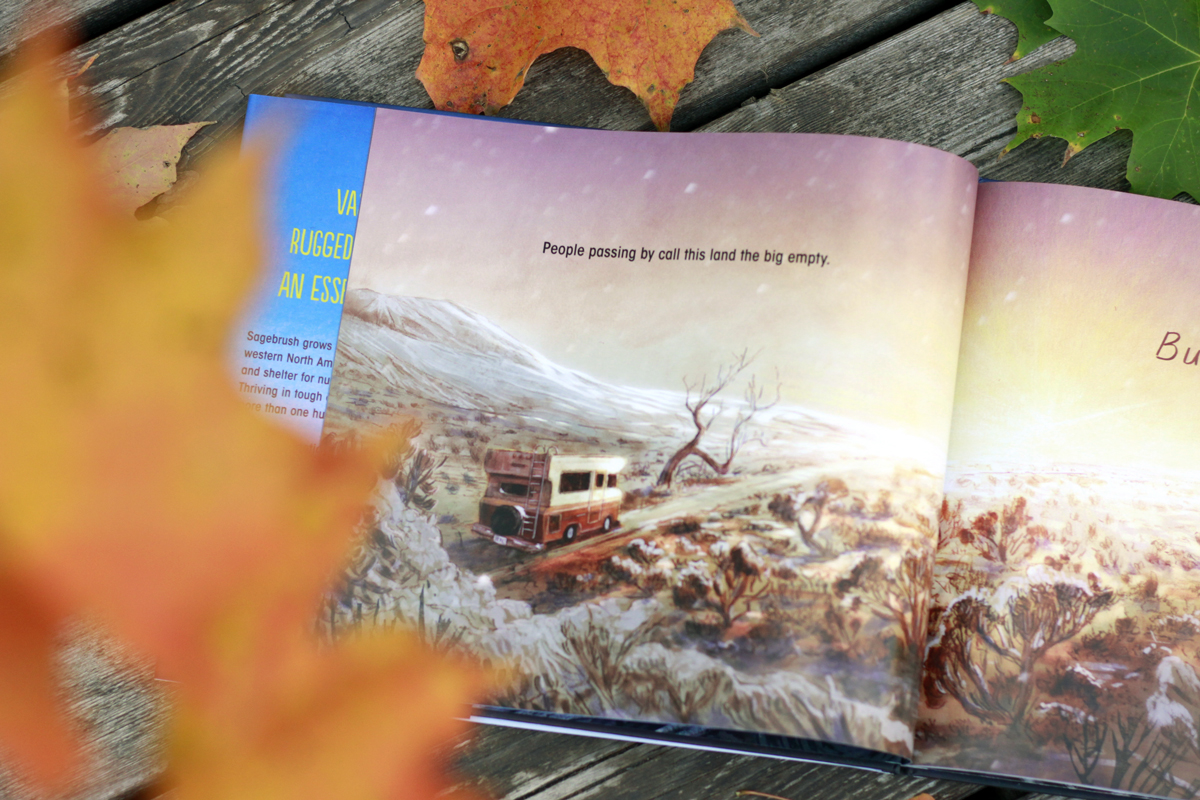
Being the Author-Illustrator allowed me to create this book with traditional media, using pastel, colored pencil and linocut
Finding Representation
As someone who loves business, I was never interested in having an agent but I became open to this when I got in over my head. There’s lots of differences between Literary Agents and Art Reps so I’ve provided some links from Greg and Lauren who outline this wonderfully.
More information about representation:
https://www.muddycolors.com/2013/10/agents-who-needs-em/
https://www.muddycolors.com/2015/03/10-things-about-reps/
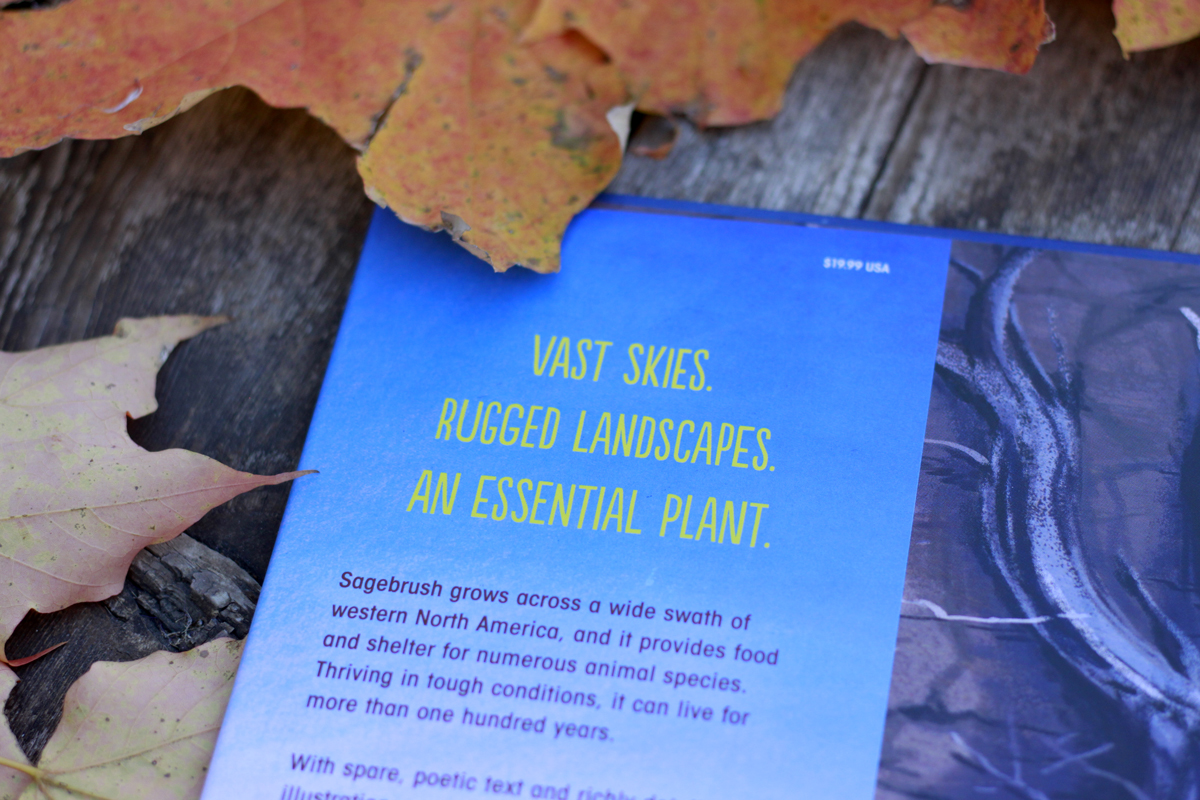
These flaps created by the team at Lerner show how the concept is amplified and clarified.
Pitching
When presenting cover sketches, one of my strengths was showing art directors distinctly different takes on their concept for them to deliberate. When pitching a story, it was much different. I had to practice being consistent on a single message. I had to defend it against questions like, “why should anyone care?” A big change from the illustrations I was working on. I was used to refining and amplifying the message with my art but as an writer the concept started with me, and the team directed refinement and amplification.
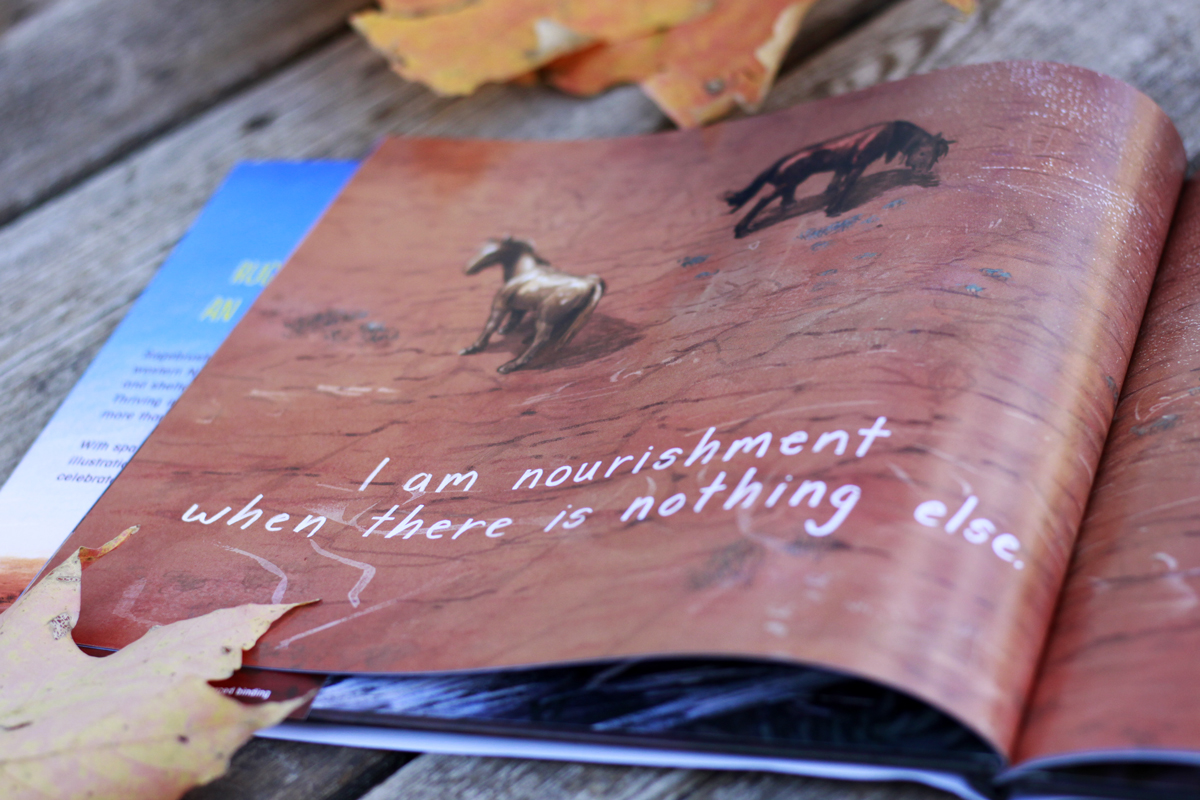
Hand lettering added to the overall mood of the book
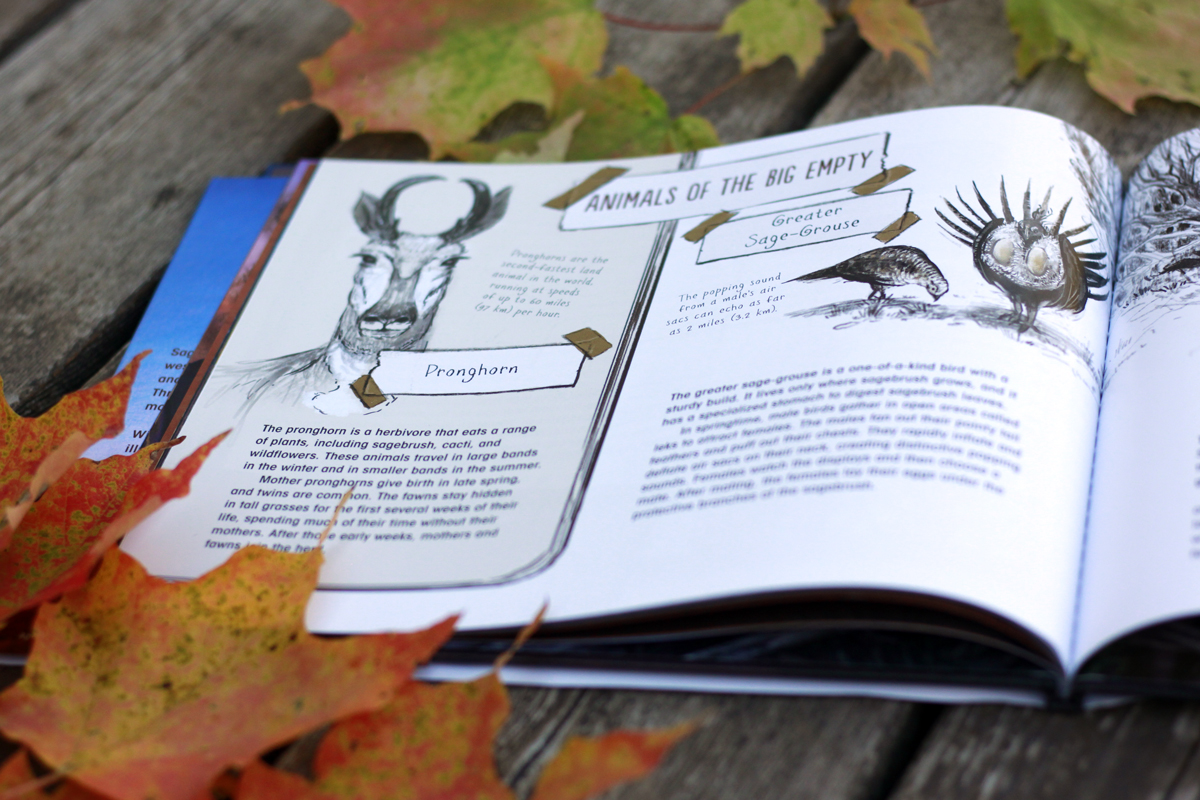
This page features some of the research that was included in my initial pitch.
Creating a pitch package for my agent was a great way for us to work out any holes. It can look something like this:
Pitch Package includes but not limited to:
Splash page
- Title of project
- Names of creators and artwork
Creator bio
- Previous publications
- Portfolio or weblink, Social media usernames
- Headshot or illustrated portrait in style of book for sale
Overview
- Short pitch
- Longer pitch
- Format and delivery information (like page count and dimensions)
- Comparison titles (hotly debated – do your research)
Timeline and & Media
- Projected timeline for sketches and final art
- Project needs, like the type of color printing, if additional colorist or flats assisting, or scanning is needed.
Synopsis
- Outline of entire book in paragraph/prose form (this includes spoilers!)
Sample pages
- Complete illustration samples from manuscript showing your best work. Editors will be looking for sequential storytelling.
- Sample script or manuscript (format should be consistent)
- If art samples are mixed into the book dummy they should be clearly labeled.
Extras
- Potential audience (Why this book will be received well in today’s market – how does the creator fit into this message)
- Research & inspiration that is involved in the story – sketchbooks and photos
- Back matter ideas or education materials/supplement materials like a craft, quizzes, lesson plan that goes with the book depending on the market.
An simplified overview of the submission process:

Offers and New Partnerships
You’ll commonly hear authors say they are “on sub” which simply means they have stories that are floating around for sale. This can take a few weeks to even a year. Once an editor is interested in the story – they take it up the ladder. Many other levels of the house will evaluate it against their expertise in the field. If all goes well, this will end in an official offer. If it doesn’t end in an offer an editor might ask for revisions or reject it completely.
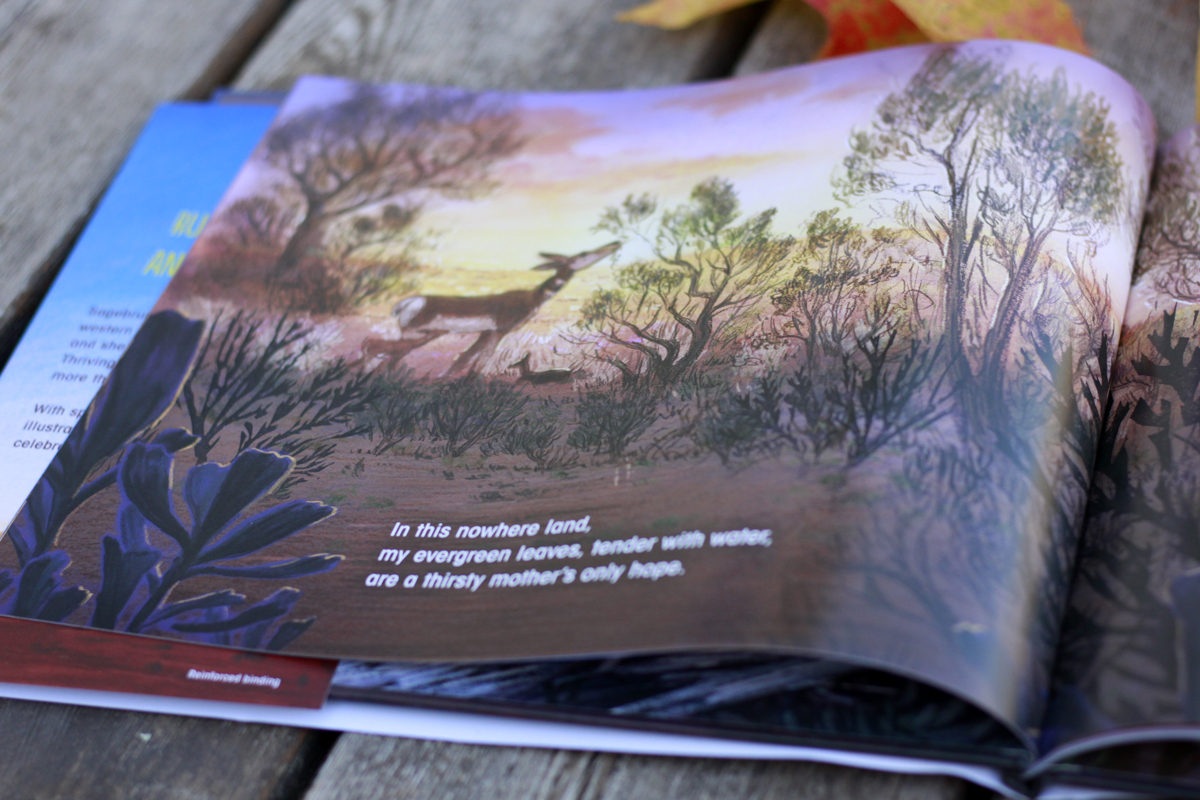
In exciting cases, more than one house may be interested in the story and place bids for the work. A book auction is unlikely to be organized without the help of an agent. It’s a sign that the book has a high potential for success – but never guaranteed. All is not lost if the book doesn’t sell because the relationship created through this process can continue to be nurtured. In my case, a rejection on one project was green light on a different project down the line. Sometimes a story has terrible timing in the market.
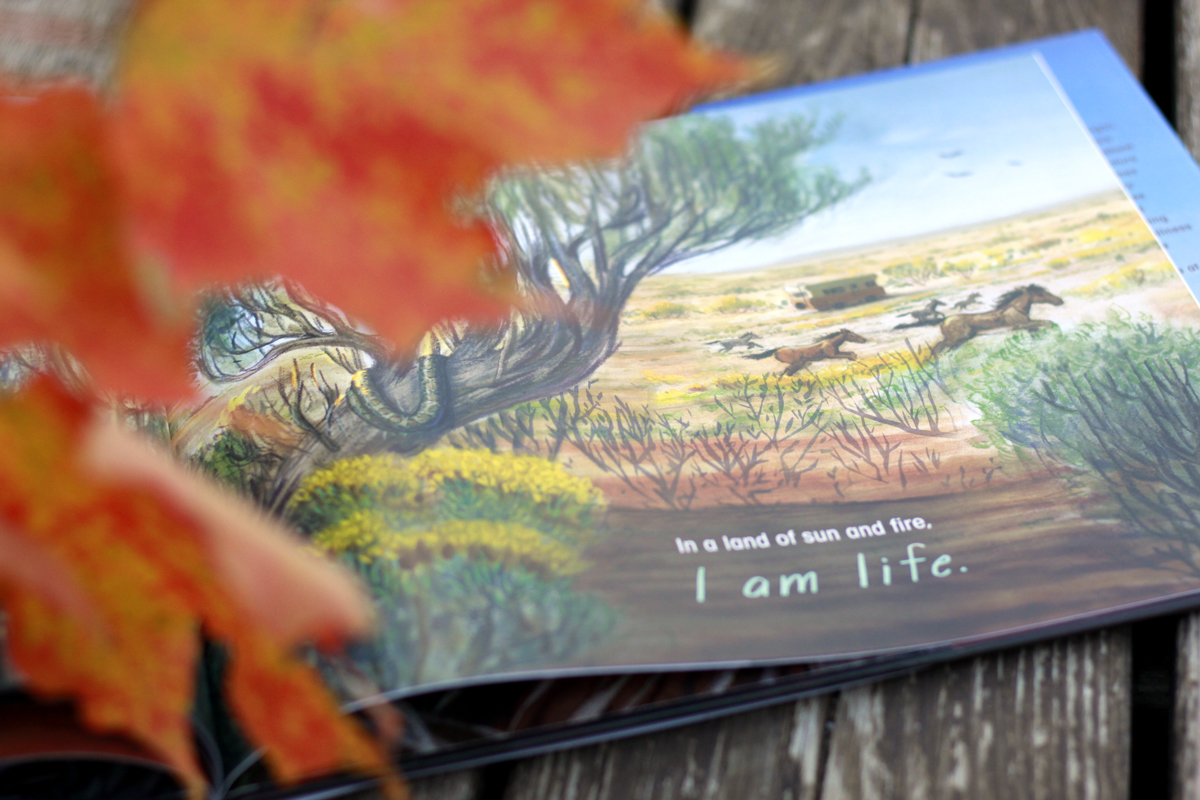
Working on The Big Empty as a first time author-illustrator I could see the team from a new vantage point. I stepped out in ways I hadn’t before, like hand lettering and sharing ideas for secondary cover (called the “undies.”) Editor, designer, art directors and marketing showed up for every bump, shared triumph and the strength was in deferring and trusting each person’s expertise. There was a new pride for the book we created together.
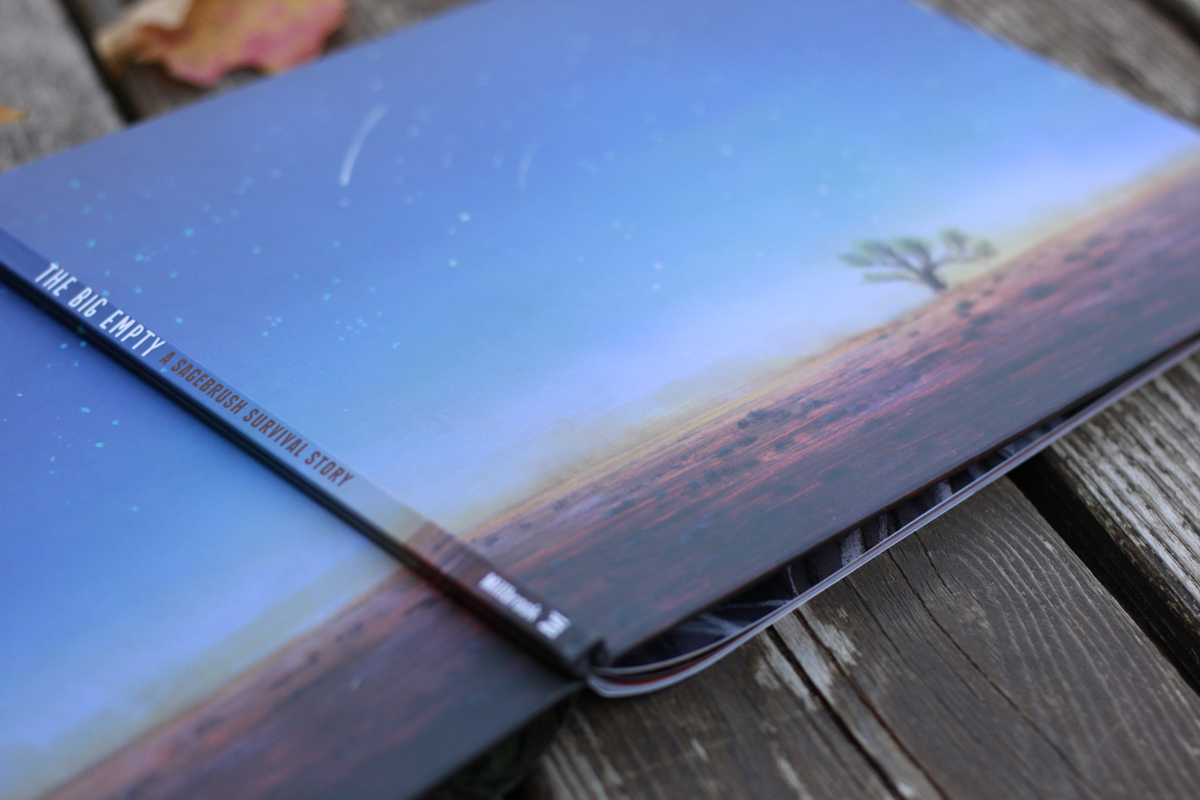
The “secret” cover beneath the cover jacket shows a night scene.
Becoming an author-illustrator is a personal journey but a wonderfully collaborative one. A balance of invention and leaning into feedback, celebrating the strengths of others all in hopes of creating a rich world for readers.
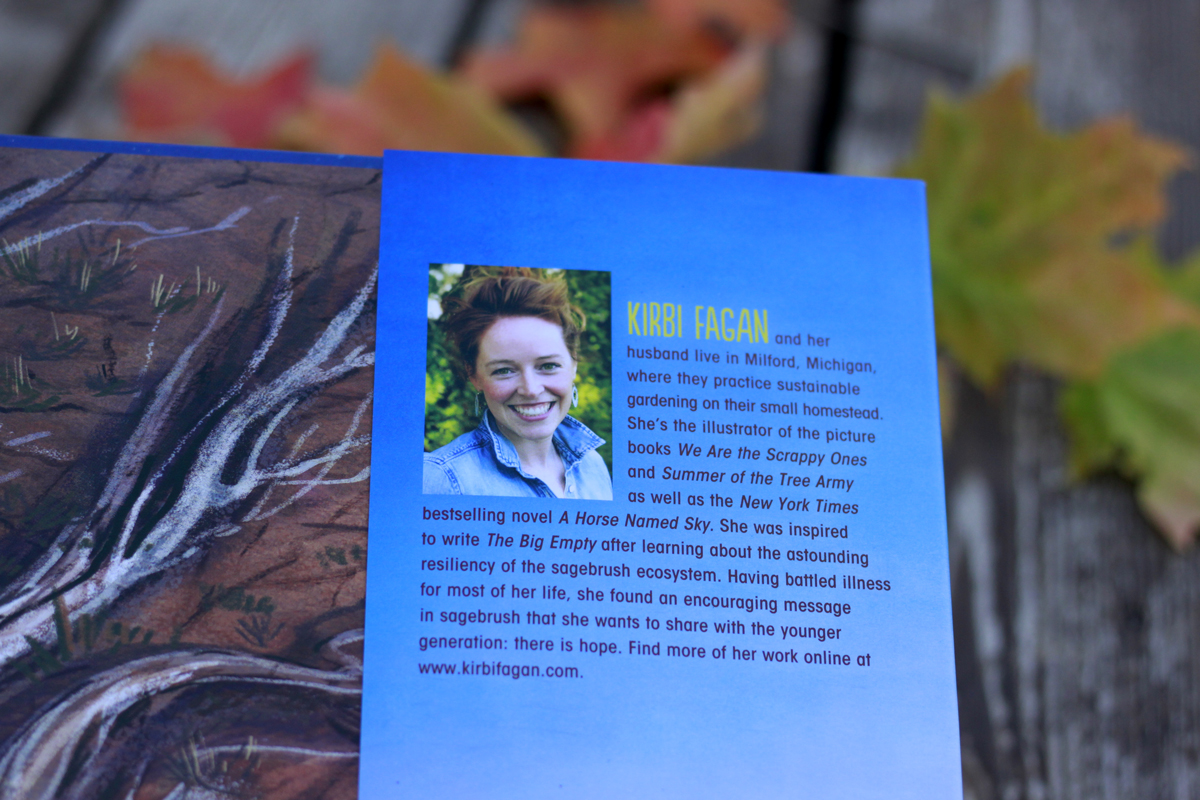
Kirbi’s Writing Resources
Scbwi (keep in mind “children’s publishing” extends to young adult books)
https://www.scbwi.org/
Pixar in a Box – The art of storytelling
https://www.khanacademy.org/partner-content/pixar/storytelling#concept-intro
Story mastery
https://www.storymastery.com/articles/
Publishing imprints
https://www.muddycolors.com/2017/11/how-to-get-into-publishing/
Manuscript wishlist
https://www.manuscriptwishlist.com
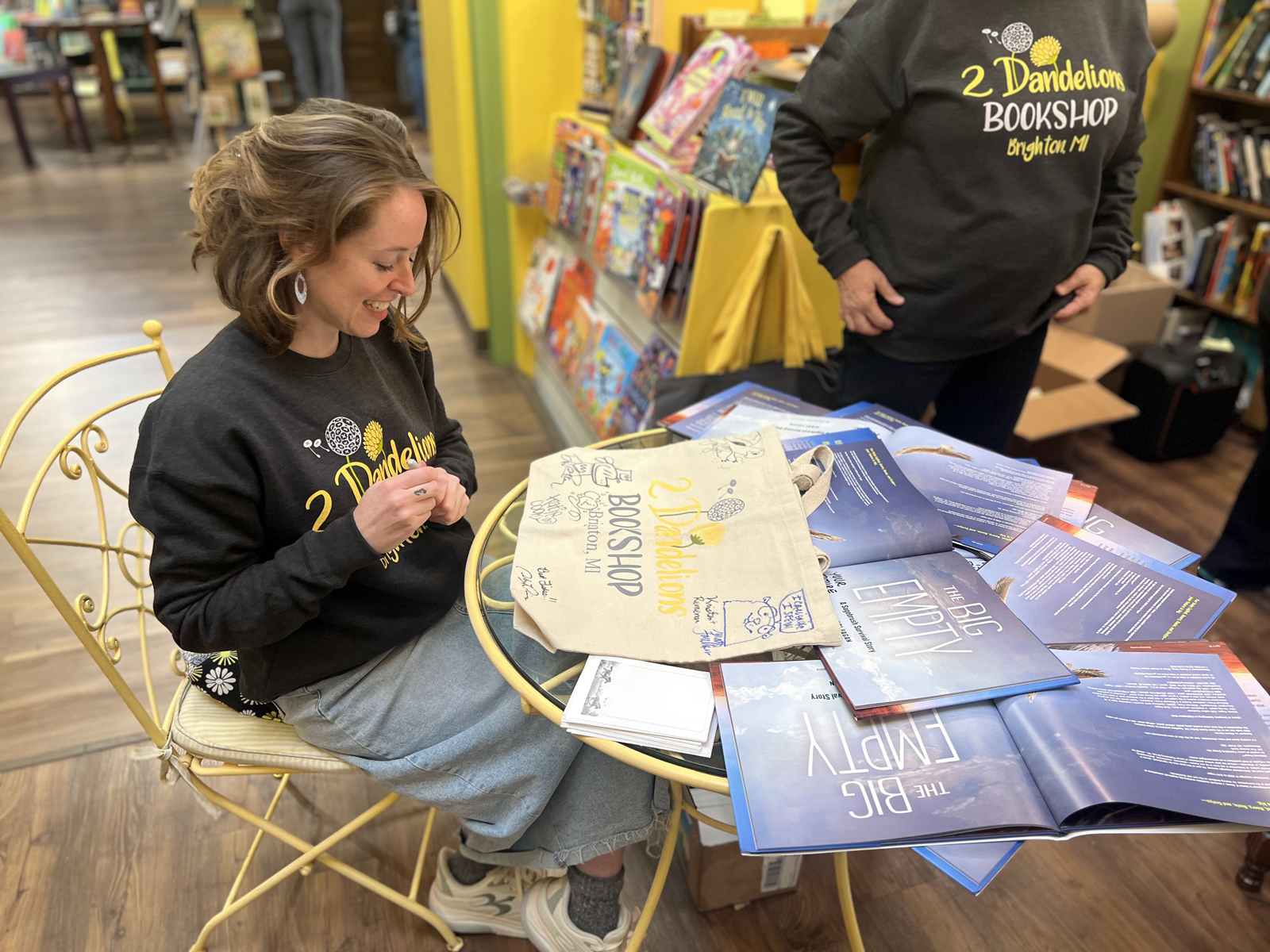
Book signing at our local book shop!




ᴄᴀꜱʜ ᴇᴀʀɴɪɴɢ ᴊᴏʙ ᴛᴏ ᴇᴀʀɴꜱ ᴍᴏʀᴇ ᴛʜᴀɴ $700 ᴘᴇʀ ᴅᴀʏ. ɢᴇᴛᴛɪɴɢ ᴘᴀɪᴅ ᴡᴇᴇᴋʟʏ ᴍᴏʀᴇ ᴛʜᴀɴ $3500 ᴏʀ ᴍᴏʀᴇ ꜱɪᴍᴘʟʏ ᴅᴏɪɴɢ ᴇᴀꜱʏ ᴡᴏʀᴋ ᴏɴʟɪɴᴇ. ɴᴏ ꜱᴘᴇᴄɪᴀʟ ꜱᴋɪʟʟꜱ ʀᴇQᴜɪʀᴇᴅ ꜰᴏʀ ᴛʜɪꜱ ᴊᴏʙ ᴀɴᴅ ʀᴇɢᴜʟᴀʀ ᴇᴀʀɴɪɴɢ ꜰʀᴏᴍ ᴛʜɪꜱ ᴀʀᴇ ᴊᴜꜱᴛ ᴀᴡᴇꜱᴏᴍᴇ. ᴀʟʟ ʏᴏᴜ ɴᴇᴇᴅ ɪꜱ 2 ʜʀꜱ ᴀ ᴅᴀʏ ꜰᴏʀ ᴛʜɪꜱ ᴊᴏʙ ᴀɴᴅ ᴇᴀʀɴɪɴɢ ᴀʀᴇ ᴀᴡᴇꜱᴏᴍᴇ. ᴇᴠᴇʀʏ ᴘᴇʀꜱᴏɴ ᴄᴀɴ ɢᴇᴛ ᴛʜɪꜱ ʙʏ ꜰᴏʟʟᴏᴡ ᴅᴇᴛᴀɪʟꜱ ʜᴇʀᴇ…
.
ᴍᴏʀᴇ ᴅᴇᴛᴀɪʟꜱ ꜰᴏʀ ᴜꜱ ————————➤ Cash43.Com
l Get paid over $110 per hour working from home. l never thought I’d be able to do it but my buddy makes over $22150 a month doing this and she convinced me to try. The possibility with this is endless….
Copy This ____________ EarnApp1.Com
ʜᴏᴍᴇ ᴄᴀꜱʜ ᴇᴀʀɴɪɴɢ ᴊᴏʙ ᴛᴏ ᴇᴀʀɴꜱ ᴍᴏʀᴇ ᴛʜᴀɴ $500 ᴘᴇʀ ᴅᴀʏ. ɢᴇᴛᴛɪɴɢ ᴘᴀɪᴅ ᴡᴇᴇᴋʟʏ ᴍᴏʀᴇ ᴛʜᴀɴ $4.5ᴋ ᴏʀ ᴍᴏʀᴇ ꜱɪᴍᴘʟʏ ᴅᴏɪɴɢ ᴇᴀꜱʏ ᴡᴏʀᴋ ᴏɴʟɪɴᴇ. ɴᴏ ꜱᴘᴇᴄɪᴀʟ ꜱᴋɪʟʟꜱ ʀᴇQᴜɪʀᴇᴅ ꜰᴏʀ ᴛʜɪꜱ ᴊᴏʙ ᴀɴᴅ ʀᴇɢᴜʟᴀʀ ᴇᴀʀɴɪɴɢ ꜰʀᴏᴍ ᴛʜɪꜱ ᴀʀᴇ ᴊᴜꜱᴛ ᴀᴡᴇꜱᴏᴍᴇ. ᴀʟʟ ʏᴏᴜ ɴᴇᴇᴅ ɪꜱ 2 ʜʀꜱ ᴀ ᴅᴀʏ ꜰᴏʀ ᴛʜɪꜱ ᴊᴏʙ ᴀɴᴅ ᴇᴀʀɴɪɴɢ ᴀʀᴇ ᴀᴡᴇꜱᴏᴍᴇ. ᴇᴠᴇʀʏ ᴘᴇʀꜱᴏɴ ᴄᴀɴ ɢᴇᴛ ᴛʜɪꜱ ʙʏ ꜰᴏʟʟᴏᴡ ᴅᴇᴛᴀɪʟꜱ ʜᴇʀᴇ.
ᴍᴏʀᴇ ᴅᴇᴛᴀɪʟꜱ ꜰᴏʀ ᴜꜱ ————————- Payathome9.Com
ᴄᴀꜱʜ ᴇᴀʀɴɪɴɢ ᴊᴏʙ ᴛᴏ ᴇᴀʀɴꜱ ᴍᴏʀᴇ ᴛʜᴀɴ $700 ᴘᴇʀ ᴅᴀʏ. ɢᴇᴛᴛɪɴɢ ᴘᴀɪᴅ ᴡᴇᴇᴋʟʏ ᴍᴏʀᴇ ᴛʜᴀɴ $3500 ᴏʀ ᴍᴏʀᴇ ꜱɪᴍᴘʟʏ ᴅᴏɪɴɢ ᴇᴀꜱʏ ᴡᴏʀᴋ ᴏɴʟɪɴᴇ. ɴᴏ ꜱᴘᴇᴄɪᴀʟ ꜱᴋɪʟʟꜱ ʀᴇQᴜɪʀᴇᴅ ꜰᴏʀ ᴛʜɪꜱ ᴊᴏʙ ᴀɴᴅ ʀᴇɢᴜʟᴀʀ ᴇᴀʀɴɪɴɢ ꜰʀᴏᴍ ᴛʜɪꜱ ᴀʀᴇ ᴊᴜꜱᴛ ᴀᴡᴇꜱᴏᴍᴇ. ᴀʟʟ ʏᴏᴜ ɴᴇᴇᴅ ɪꜱ 2 ʜʀꜱ ᴀ ᴅᴀʏ ꜰᴏʀ ᴛʜɪꜱ ᴊᴏʙ ᴀɴᴅ ᴇᴀʀɴɪɴɢ ᴀʀᴇ ᴀᴡᴇꜱᴏᴍᴇ. ᴇᴠᴇʀʏ ᴘᴇʀꜱᴏɴ ᴄᴀɴ ɢᴇᴛ ᴛʜɪꜱ ʙʏ ꜰᴏʟʟᴏᴡ ᴅᴇᴛᴀɪʟꜱ ʜᴇʀᴇ…
.
ᴍᴏʀᴇ ᴅᴇᴛᴀɪʟꜱ ꜰᴏʀ ᴜꜱ ————————➤ job40.media
l Get paid over $110 per hour working from home. l never thought I’d be able to do it but my buddy makes over $22150 a month doing this and she convinced me to try. The possibility with this is endless….
Copy This ____________ EarnApp1.Com
l Get paid over $110 per hour working from home. l never thought I’d be able to do it but my buddy makes over $22150 a month doing this and she convinced me to try. The possibility with this is endless….
Copy This ____________ Work27.Online
My last salary was $8750, ecom only worked 12 hours a week. My longtime neighbor yr estimated $15,000 and works about 20 hours for seven days. I can’t believe how blunt he was when I looked up his information…𝙗𝙞𝙜.𝙧𝙞𝙘𝙝𝙟𝙤𝙗2.𝘾𝙤𝙢
l Get paid over $110 per hour working from home. l never thought I’d be able to do it but my buddy makes over $22150 a month doing this and she convinced me to try. The possibility with this is endless….
Copy This ____________ EarnApp1.Com