

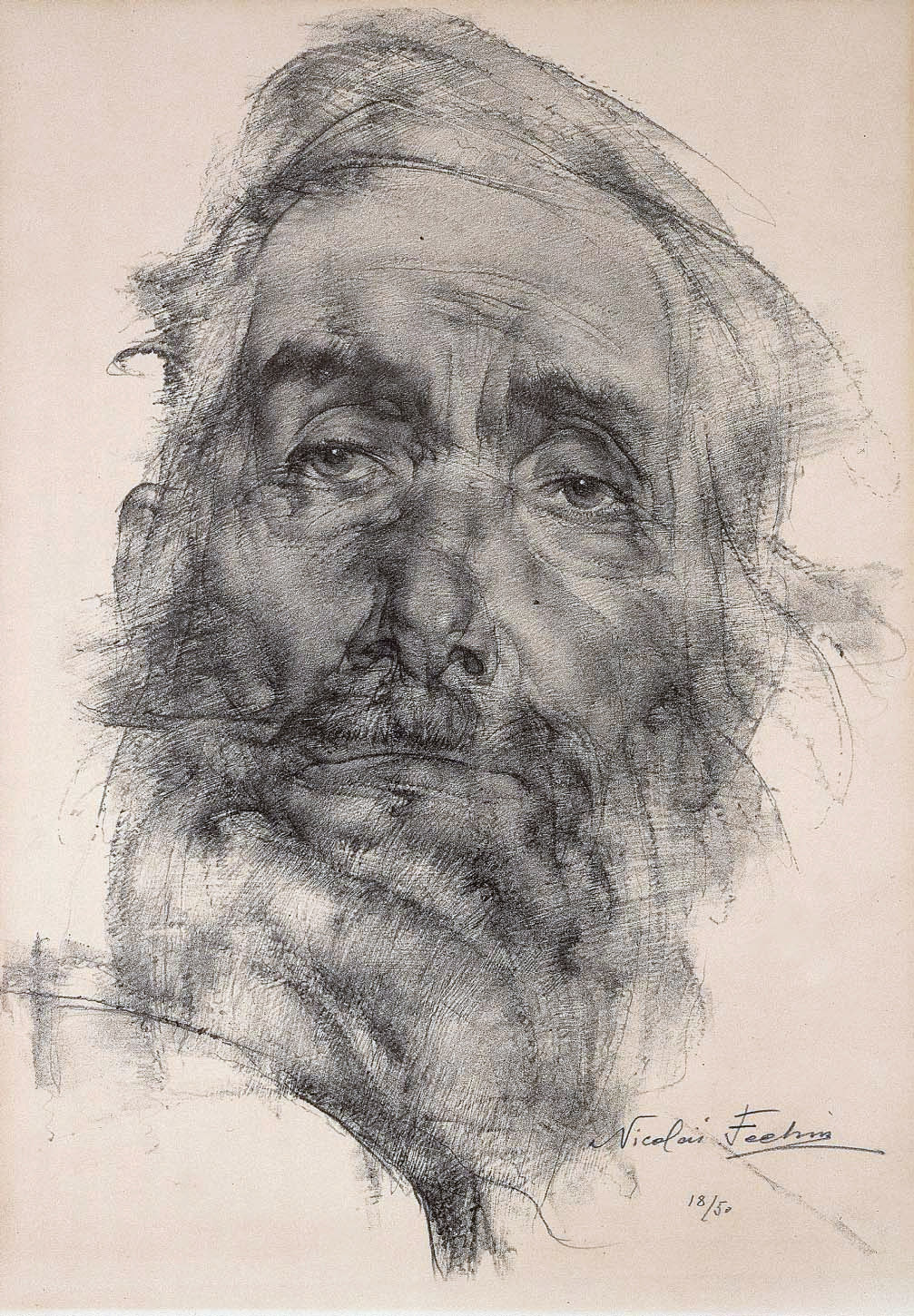
As a young artist, realism had always seemed to be the pinnacle of good portraiture to me. That is, until I saw the work of Nicolai Fechin.
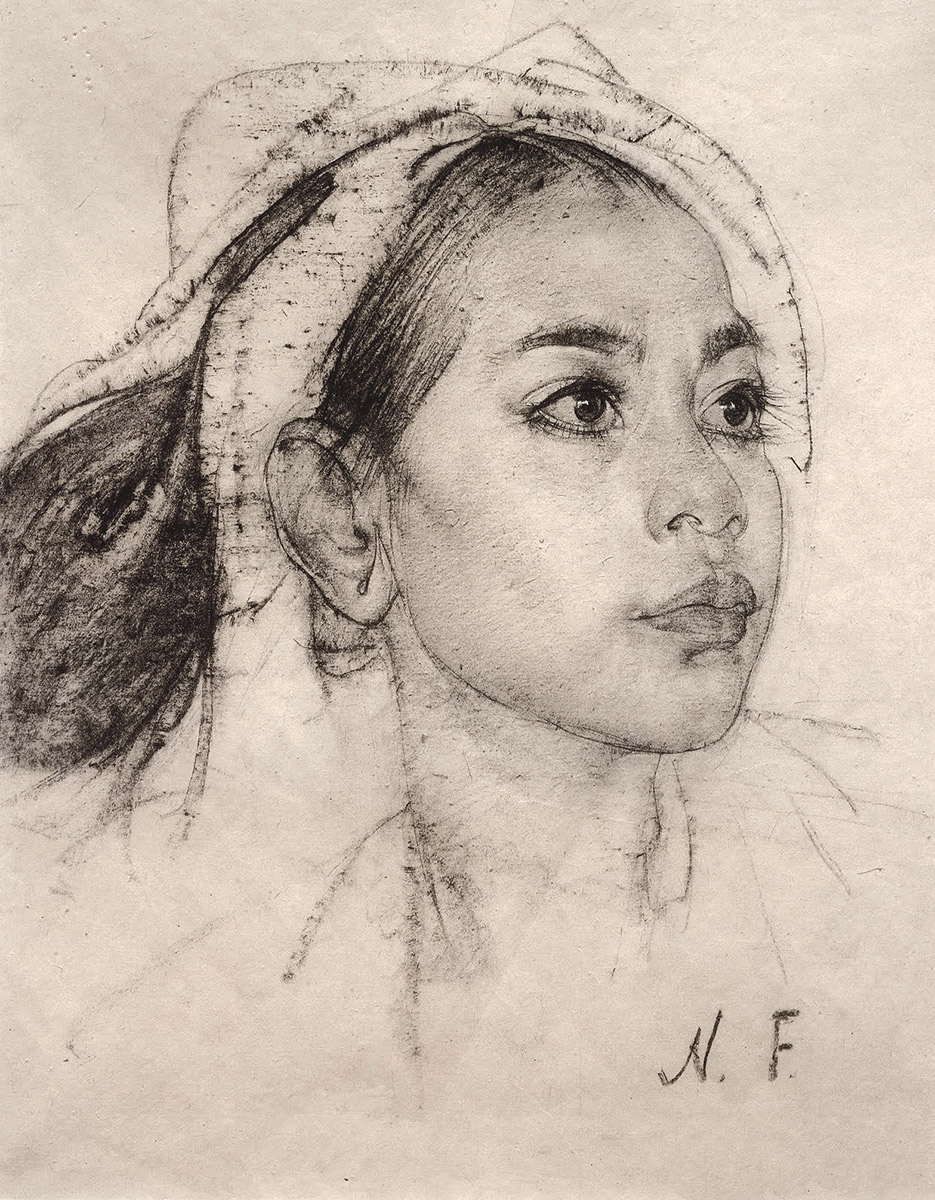
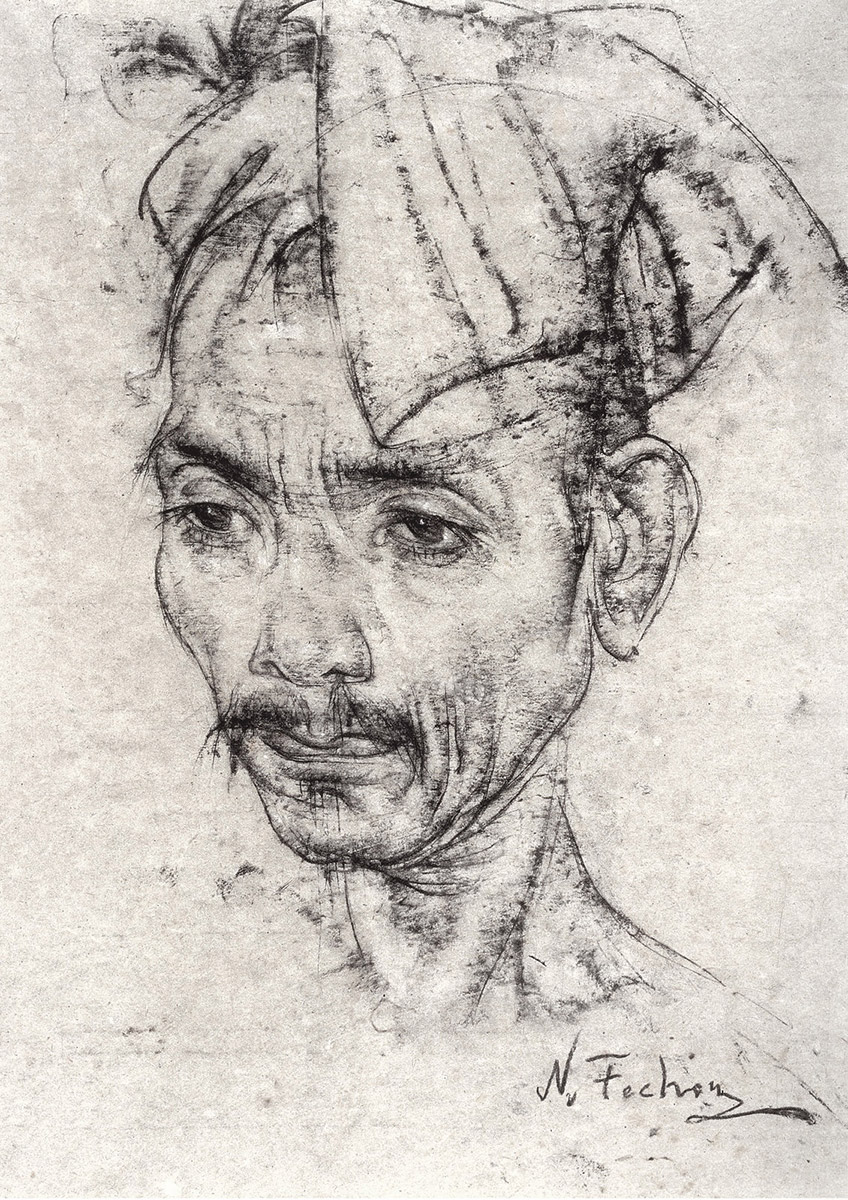
The way Fechin chose to focus on certain features, while letting other elements completely fade away into obscurity, was unlike anything I had ever seen. Fechin was one of the first artists I was introduced to that showed me what a simple pencil could do. How less could be more, and how what you choose NOT to draw can be just as important as what you choose to include.
Although Nicolai Fechin was also a prolific painter, it is still his pencil work that speaks to me the most.
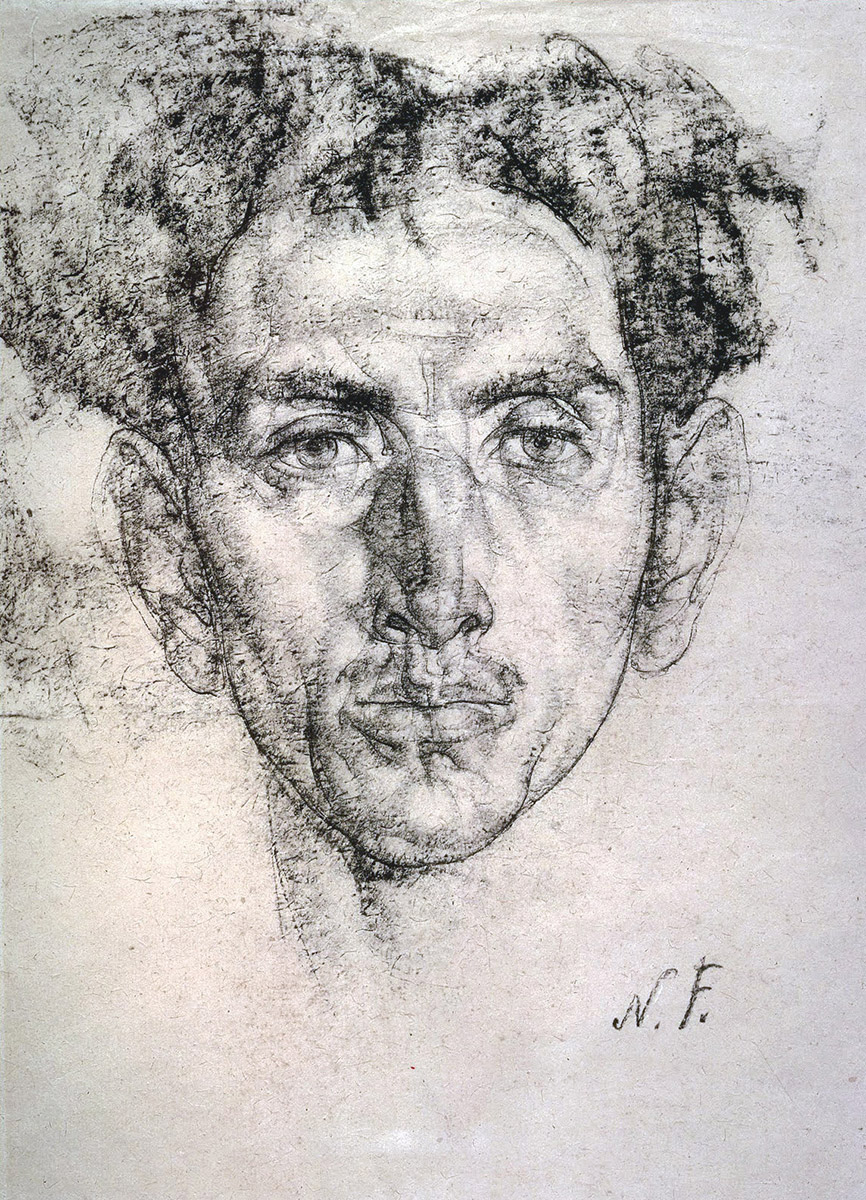

Nicolai Ivanovich Fechin (1881 – 1955) was a Russian-American painter best known for his portraits and works featuring Native Americans.
Classically trained at the Imperial Academy of Arts in St. Petersburg, Russia,
Fechin graduated with highest marks and won that year’s traveling scholarship, the ‘Prix de Rome’. After his travels he returned to his native Kazan, where he taught and painted for a time.
He exhibited his first work in the United States in 1910 in an international exhibition in Pittsburgh, Pennsylvania. After immigrating with his family to New York in 1923 and working there for a few years, Fechin developed tuberculosis and moved West for a drier climate. He and his family settled in Taos, New Mexico. It was there where he became fascinated by Native Americans and the landscape. These subjects became the focus of his work for the remainder of his life. After leaving Taos in 1933, Fechin eventually settled in southern California, where he resided until his death in 1955.



These are beautiful. Thanks for sharing this.
These are just phenomenal!
Thanks for posting this!
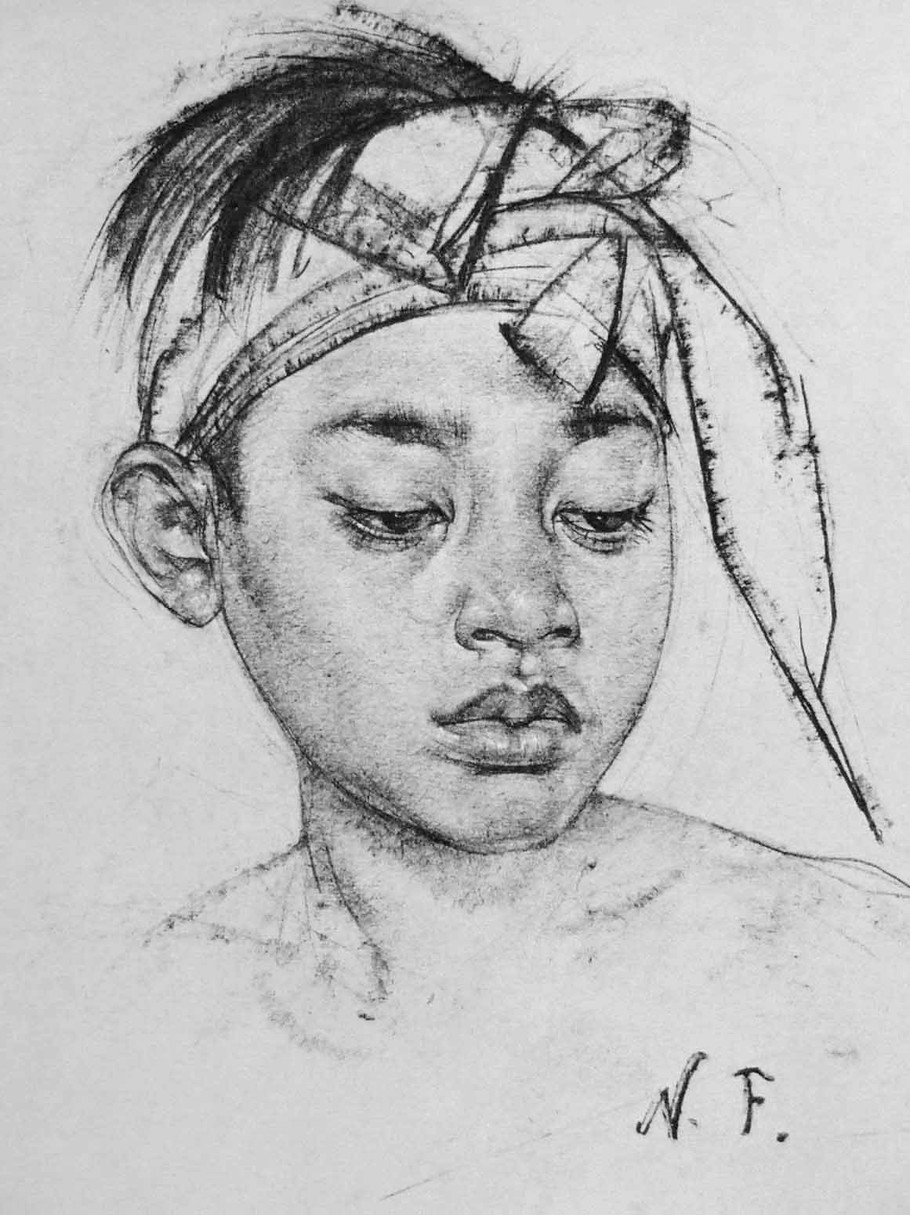
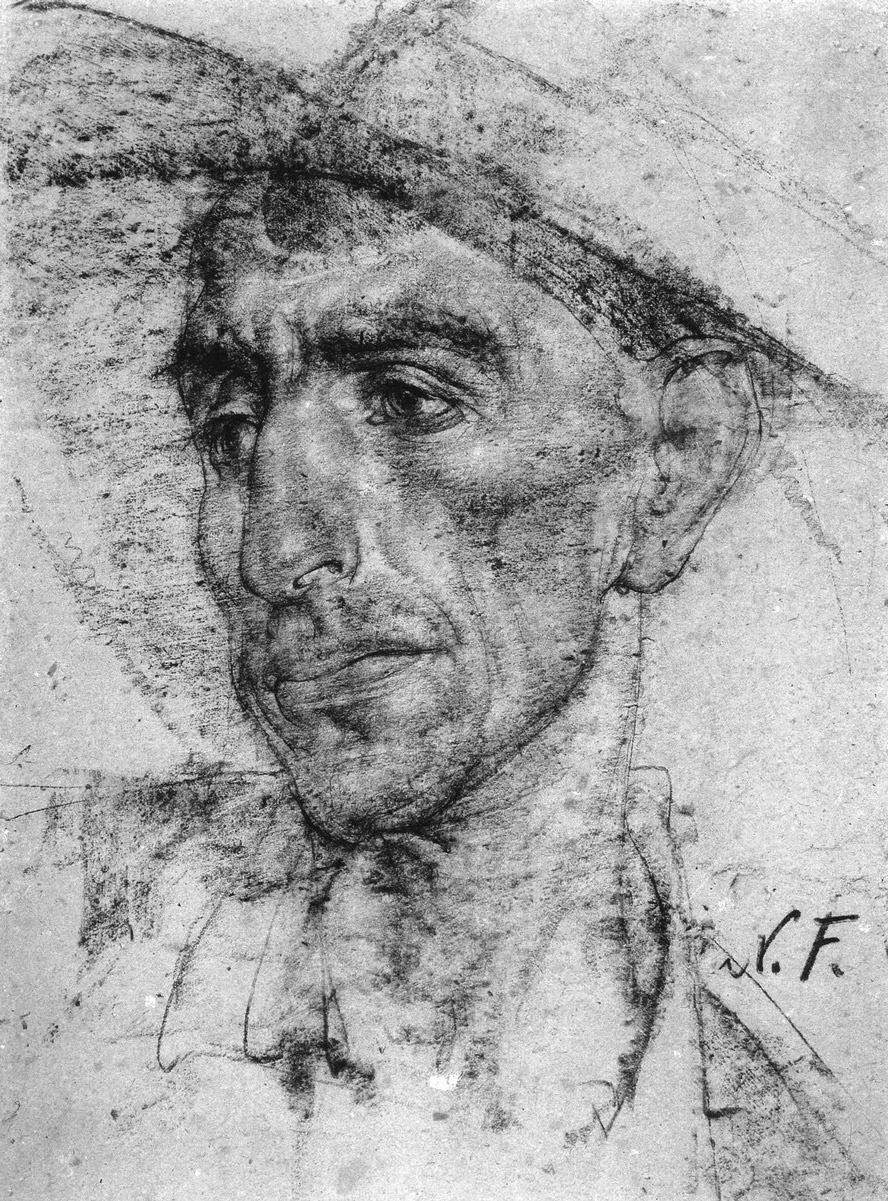
I have always loved his drawings. Can anyone surmise as to how he was able to create the textures in these? For example, there are brush like striations and an ink wash feel most noticeable in the first drawing. Some of the others have a beautiful heavy handed charcoal-like ruggedness that I could never figure out.
My guess about the texture is he used a bristle brush and most likely a graphite stick.
I have often wondered about his technique as well and it is hard to find any info on it.
In the book “Nicolai Fechin” by Mary N. Balcomb there are some tidbits into his technique and evolving style over the years.
It seems to be a combination of the mechanics of his hand, the specific paper he used and the way he prepared the sticks of charcoal.
Pages 88 and 92 excerpts from the book by Mary N. Balcomb:
” … faintly sketched in charcoal with guidelines to indicate vertical and horizontal axis. Then the total sheet was lightly composed and the excess charcoal was dusted off – Fechin gently struck the paper with a soft cloth to avoid abrasions in the fragile surface. The tonal areas were then put on, frequently with a rolling action of the charcoal as in the drawing of Alexandra. The succeeding step was to define forms with line, occasionally losing it and then finding it once again.
To produce highlights Fechin used gentle pressure on an art gum eraser or a piece of white chalk, or at times he left the paper untouched in the areas to be highlighted. The work had to be carefully planned due to the delicate quality of the handmade Chinese paper, and whatever marks were made on the sheet had to remain. Thus the paper imposed precision, and each sheet presented a new challenge. It was brought to him from China on several occasions by a friend, Milan Rupert; at other times it was purchased Chinese merchants in the various China-towns of America; never was it purchased from Chinese laundries as has been stated in published articles. The color of the paper varied from beiges to greys and to almost bistered shades while the structure had numerous imperfections: random patterns of holes, irregular surface textures embedded with bits of wood or bark of bamboo; it gives the impression of cooked oatmeal left uncovered in a Southwestern wind storm.
This quality disturbed many, but it delighted Fechin. The paper, as seen in the original drawings, is thin in weight, almost flaccid (too fragile for wrapping laundry), and it has an organic appearance.
Fechins charcoal came from the grapevines of France through J. M. Paillard Co., Paris. The pieces were extremely thin but he would hone then further , to a fine point, with sandpaper so that he was able to render not only an eyelash but the subtle curvature of a nostril with equal precision; and because the thinness of the charcoal made it difficult to manipulate , he made bamboo holders for it.”
There is a contemporary artist and instructor at the California Art Institute named Max Turner who has adopted Fechins technique to some degree. Who knows he may have some online instruction or YouTube videos showing the technique.
You took the words right out of my mouth! I liked his other painted portraits but his pencil/charcoals expressed much beauty to me personally. Thank you for sharing his art and the write up on his bios.
very gifted and prolific artist.
I am fascinated by his drawings. He seemed to have had a sure eye and a swift hand, his line quality is delicate and unmatched.
It’s a very good article, I really like it.