


“Trial by Jury”
by Sir Edwin Henry Landseer
I recently gave a talk on narrative art in Nashville at the One Fantastic Workshop. In it we went over some of the heavy-hitters of the narrative genre, the big guns: the Viberts, Rockwells, Repins and Dores. But we also had some fun talking about some of the very small contributors… in this case the dogs. The tiny little sub-genre of Narrative Dog Portraits was championed by painters like Sir Edwin Landseer and Charles Burton Barber and I believe it deserves its own place amongst the greats.
It’s strange that creatures so clearly not-human are capable of such pure, unadulterated human expressions, but we have all experienced it in our lives. (You know the dog felt real true guilt when you locked it in it’s kennel for ruining the carpet. You know that it understood you when you said to not eat your sandwich. So when it hastily ate your sandwich while making direct eye contact with you; you know that it knew what it was doing. And later you will decide to let it out of it’s kennel anyway because it’s look of remorse seems so genuine that your humanity simply won’t stand to keep it locked there any longer.)
In dogs we are both reminded of beloved (or despised) canines that we have known, but also of feelings we have felt ourselves. These paintings quite often contain a profound depth of human emotion in spite of their animal subjects. I am quite often surprised to feel more pathos with some of these, than I do when looking at a human in a similar predicament. (This of course says something terrible about me… but if I were to see a human in a trial by jury, I think, ‘well that fellow should have known what the consequences would be for all this.’ But with the dogs above I am racked by sympathy for all involved.
Apart from being brilliant works of composition and draughtsmanship, another key factor in these paintings is in the title. Great care is always taken with the naming of the scenes, and the titles for these images often provides interesting clues that give context to the scene and deepens the narrative.
With all that said, I hope you enjoy this little exhibition of one of my favorite historical genres of painting!
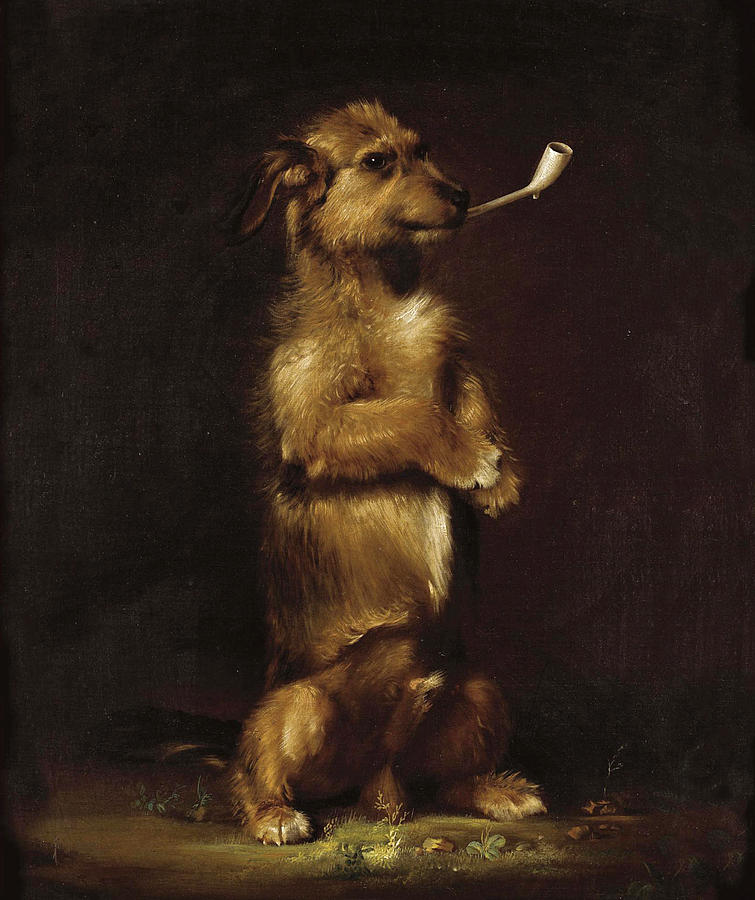
“Standing to Attention”
Edwin Henry Landseer

“Found”
Albrecht Schenk
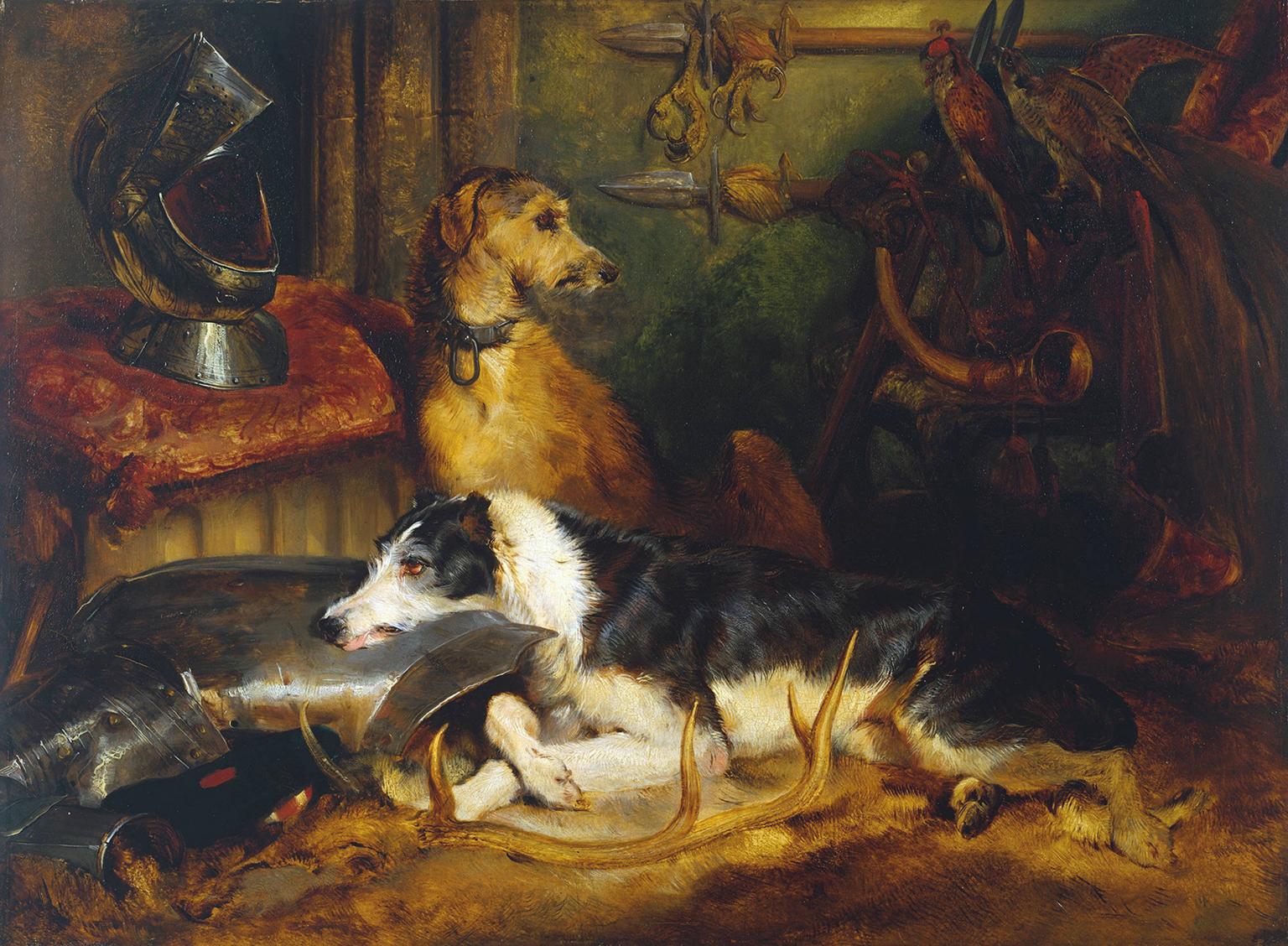
“A Scene at Abbotsford” by Sir Edwin Henry Landseer
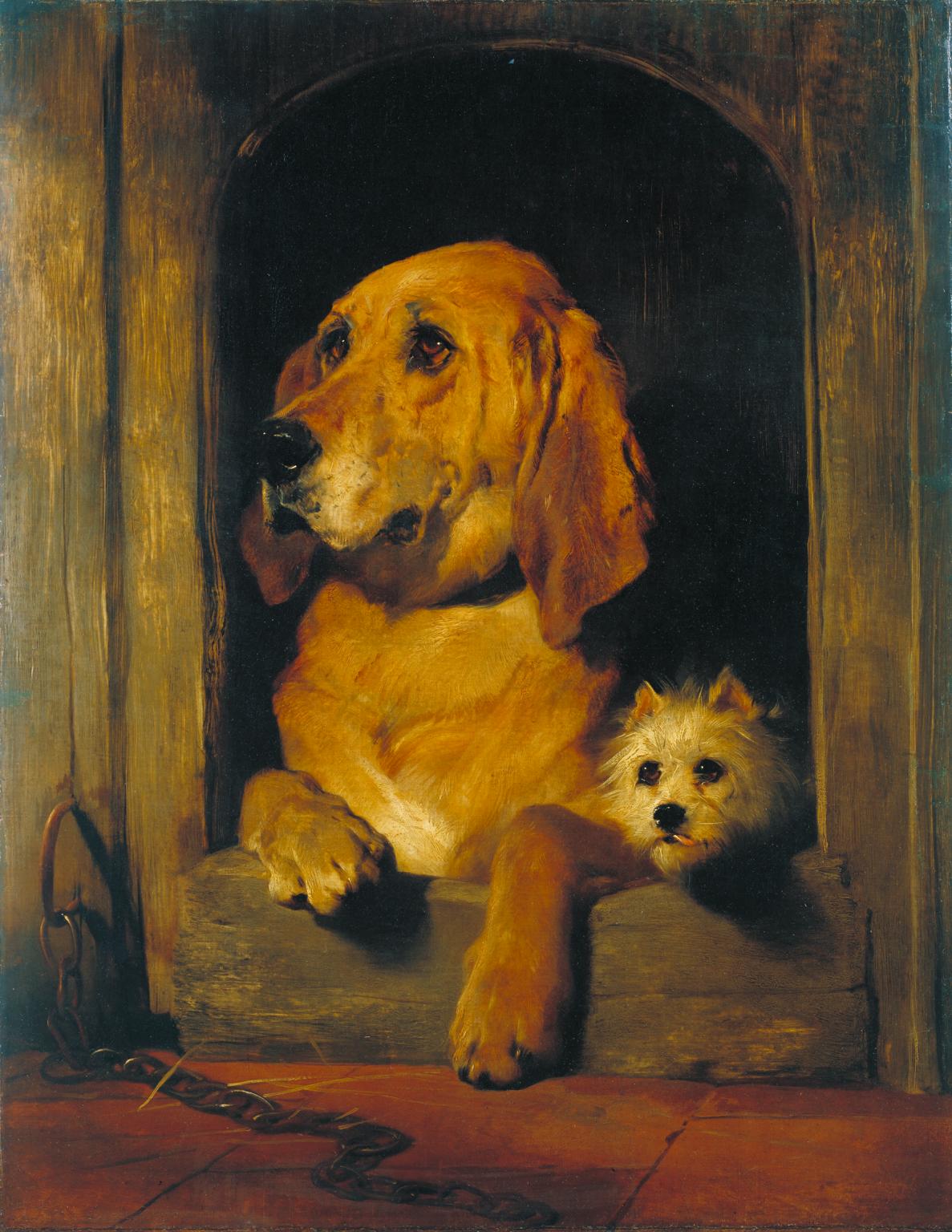
Dignity and Impudence 1839 by Sir Edwin Henry Landseer
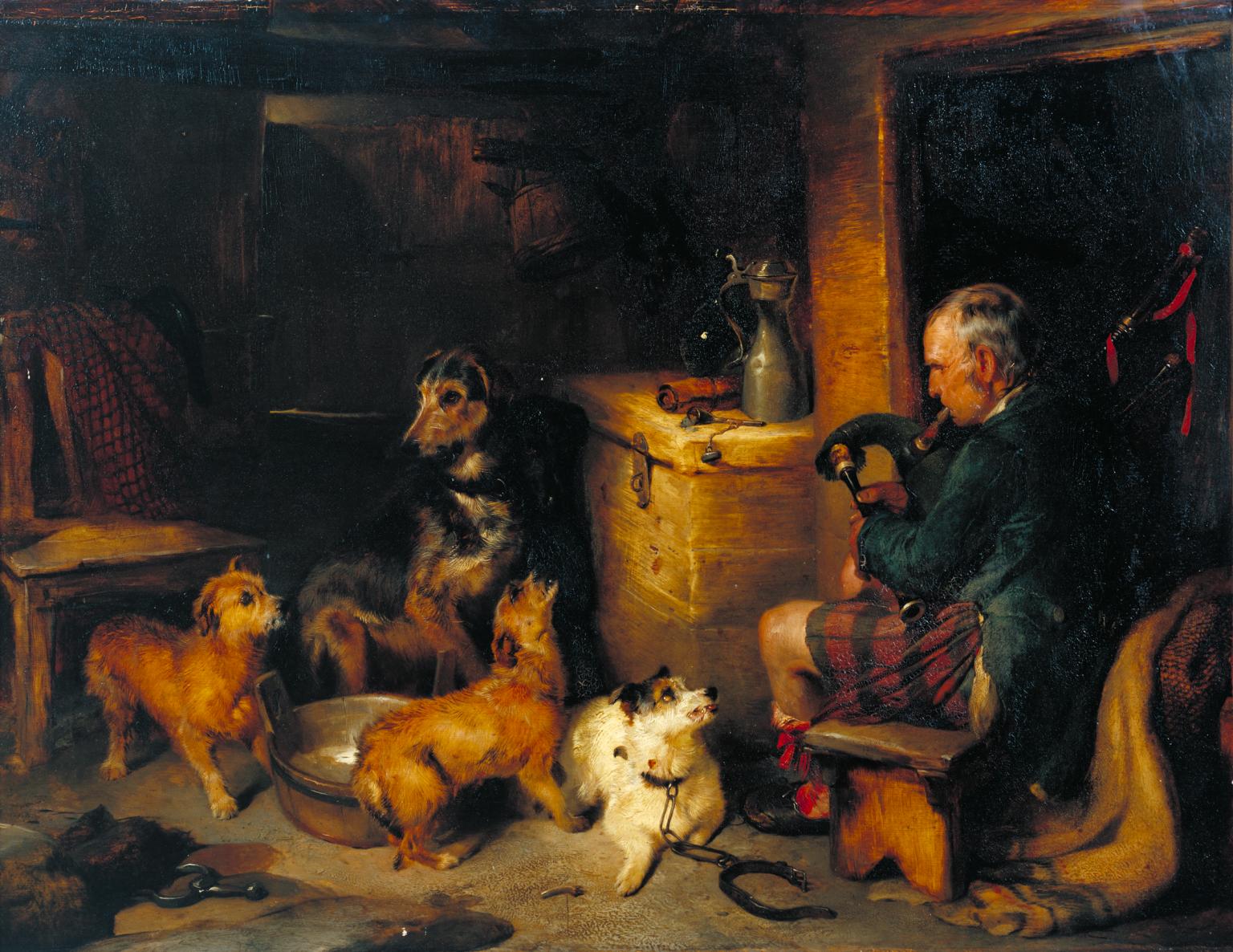
“Highland Music” 1829
by Sir Edwin Henry Landseer
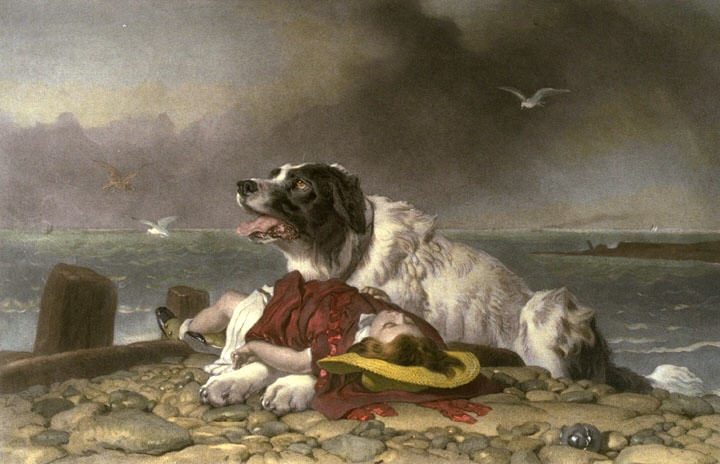
“Saved”
by Sir Edwin Henry Landseer
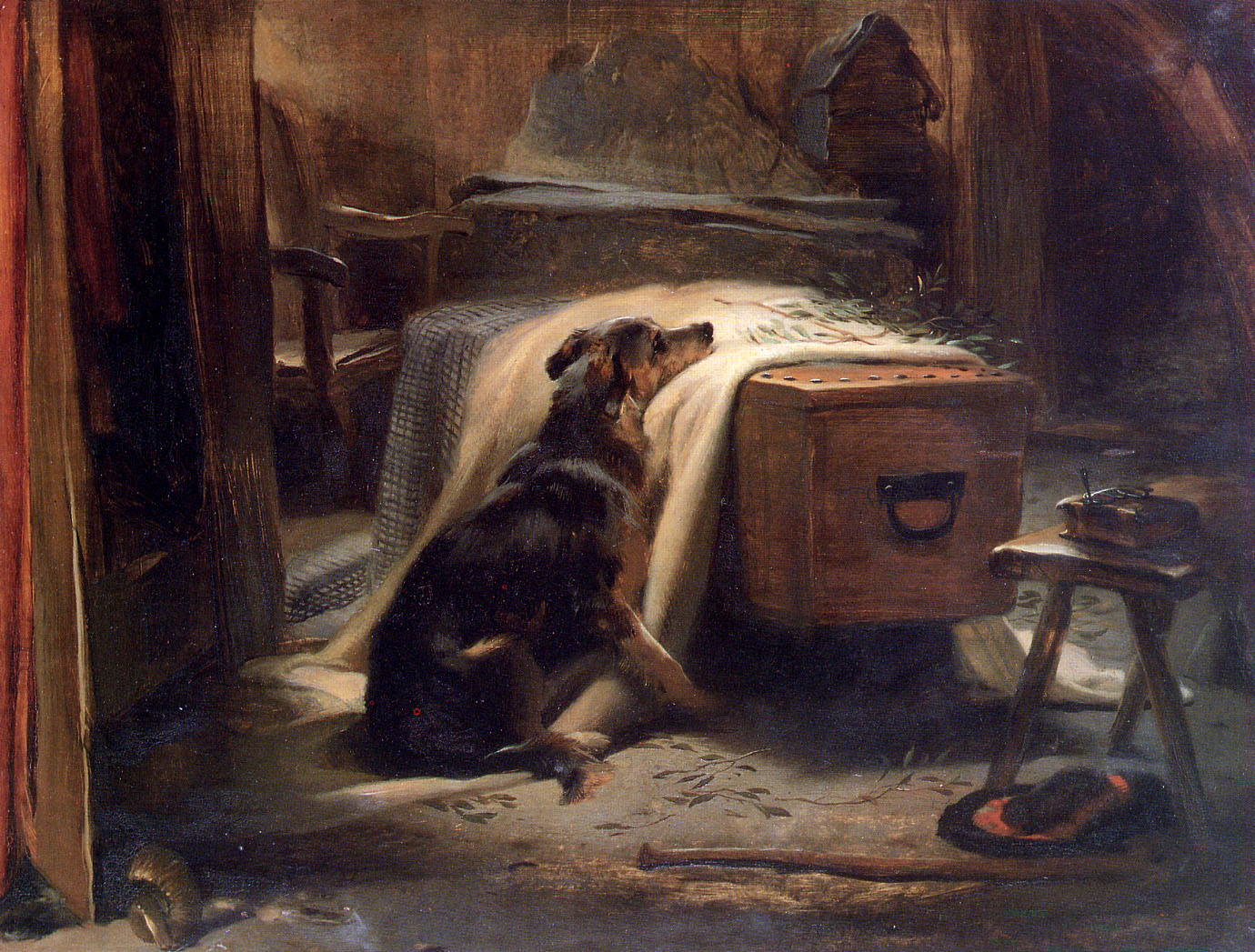
“The Old Shepherd’s Chief Mourner”
by Sir Edwin Henry Landseer
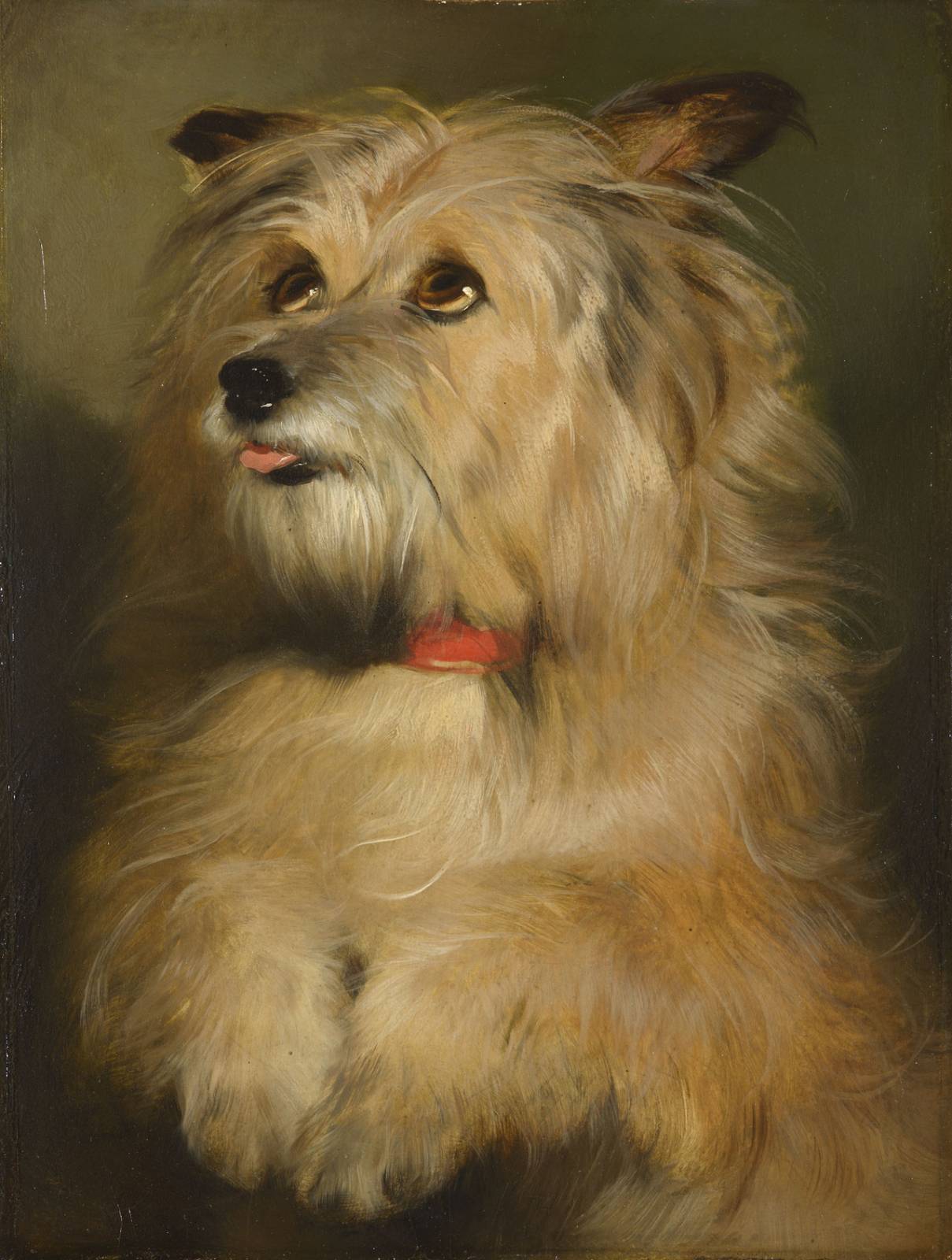
“Islay”
by Sir Edwin Henry Landseer

“In Disgrace”
by Charles Barber Burton
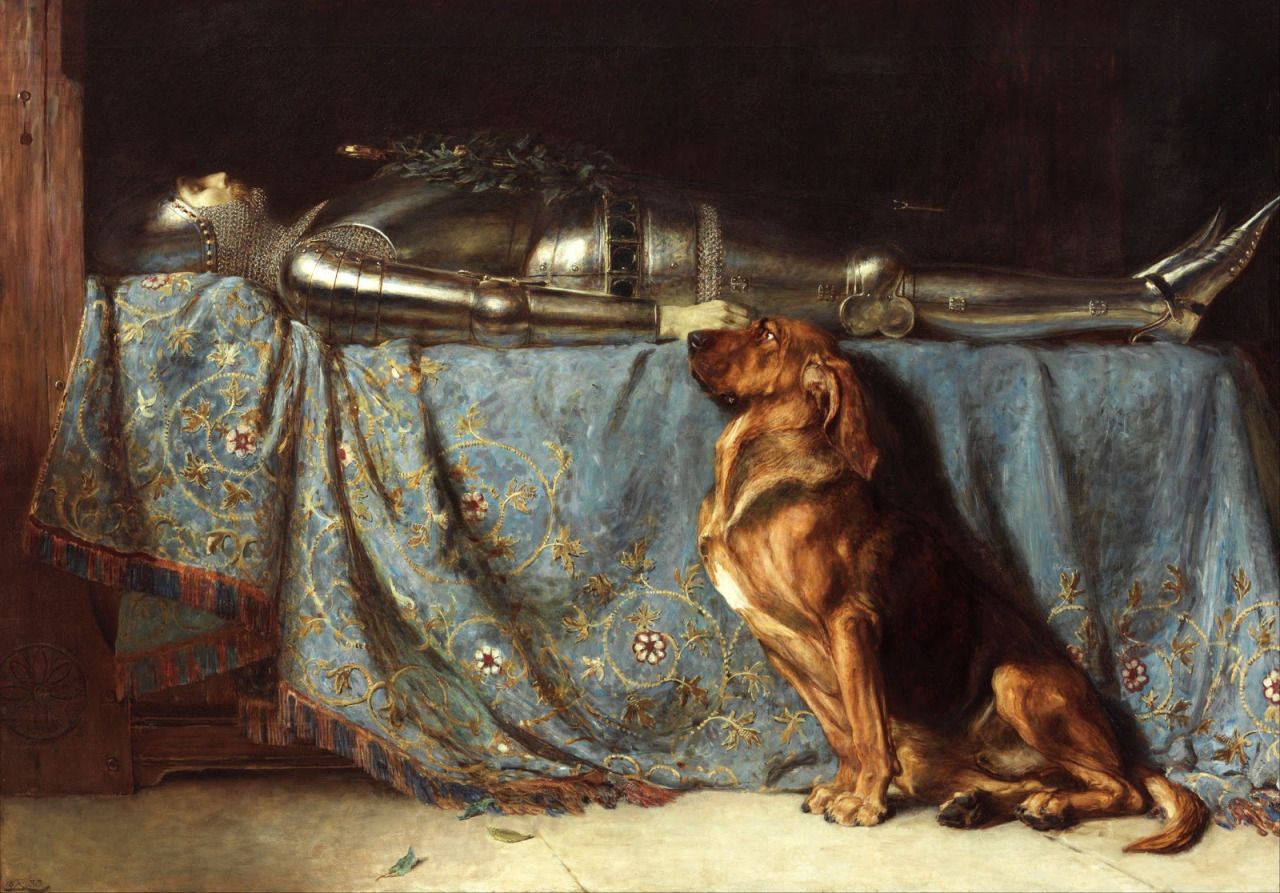
Briton Riviere – Requiescat
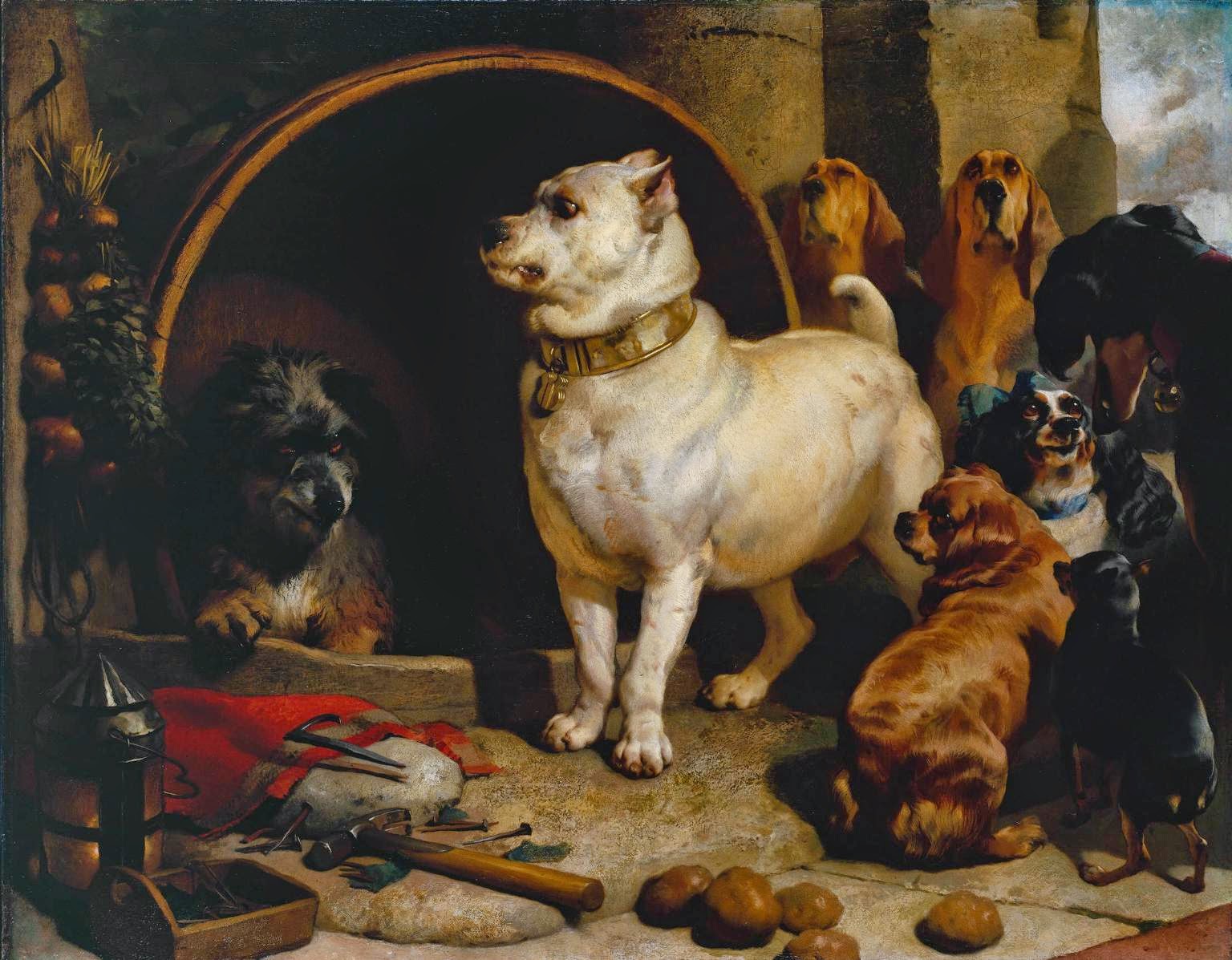
“Alexander and Diogenes”
by Sir Edwin Henry Landseer

“A Distinguished Member of the Humane Society”
by Sir Edwin Henry Landseer
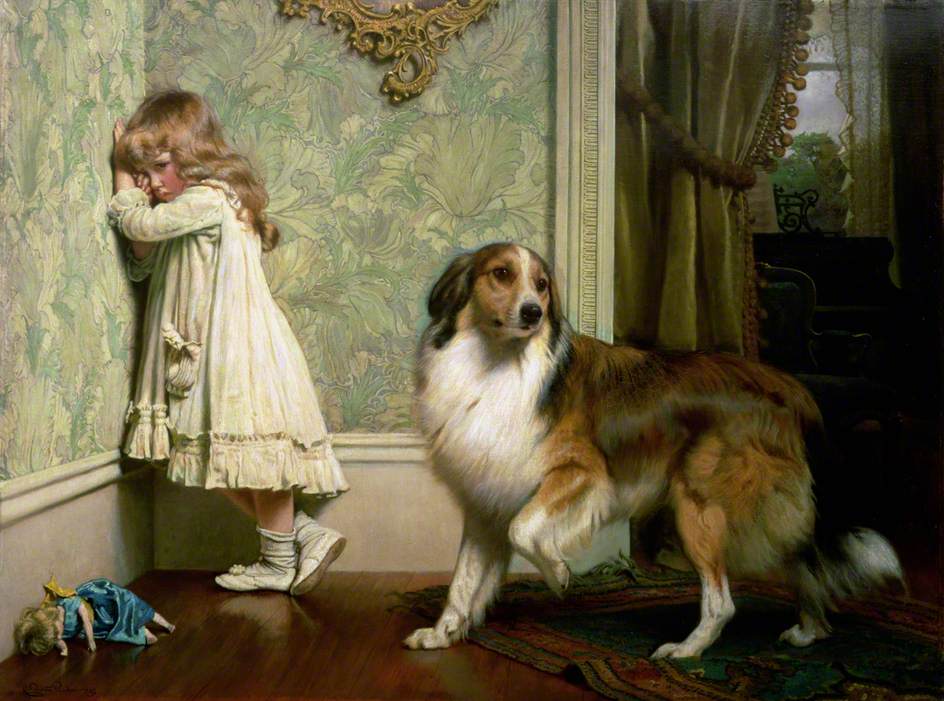
“A Special Pleader”
by Charles Barber Burton

“King of the Castle”
by Sir Edwin Henry Landseer
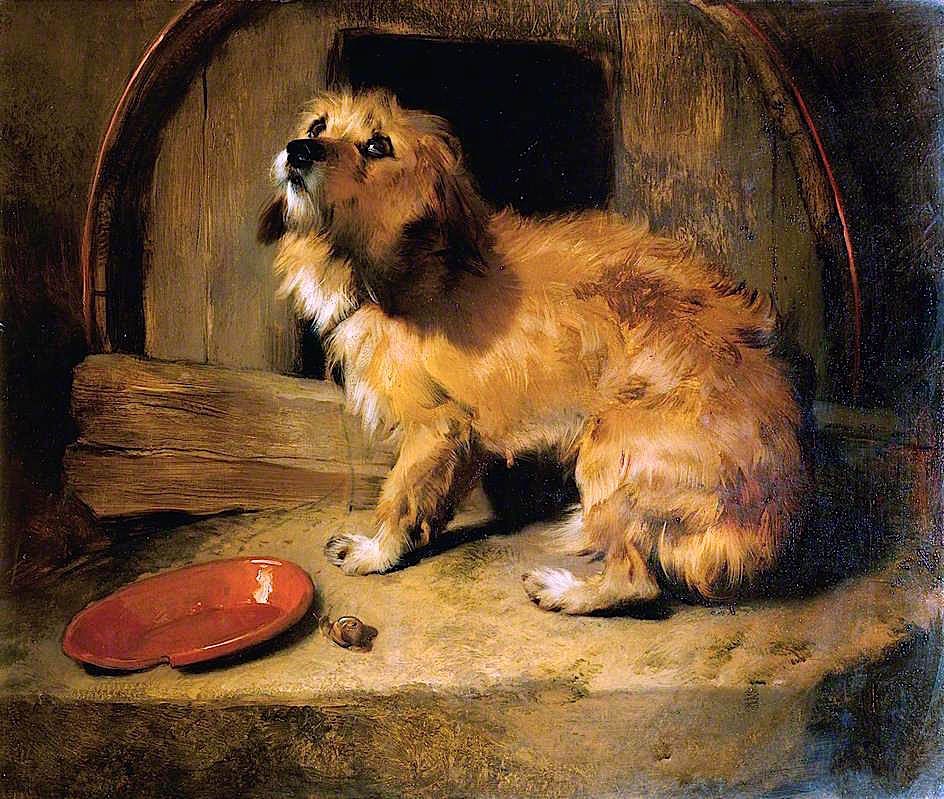
“There’s No Place Like Home”
by Sir Edwin Henry Landseer


As a dog lover and dog portrait painter, I enjoyed this little tribute. I have prints of Charles Barber Burton’s works all over my house…he is one of my favorite narrative painters. Also not to be missed is the book “Dogs” by Rien Poortvliet, which is packed with charming, skillfully rendered, often narrative sketches and paintings of dogs in everyday life.
Ooo! Thanks Carole! I will check that one out!
A Distinguished Member of the Humane Society”
by Sir Edwin Henry Landseer -That dog breed depicted in the painting is now known as a Landseer after Sir Edwin!
Fantastic painting as well! And dog anatomy can be hard to paint, sometimes it’s difficult to make out the bones and muscles underneath all that fur. Smooth coated dogs are easier to paint/draw then the really furry ones. Great article!!