


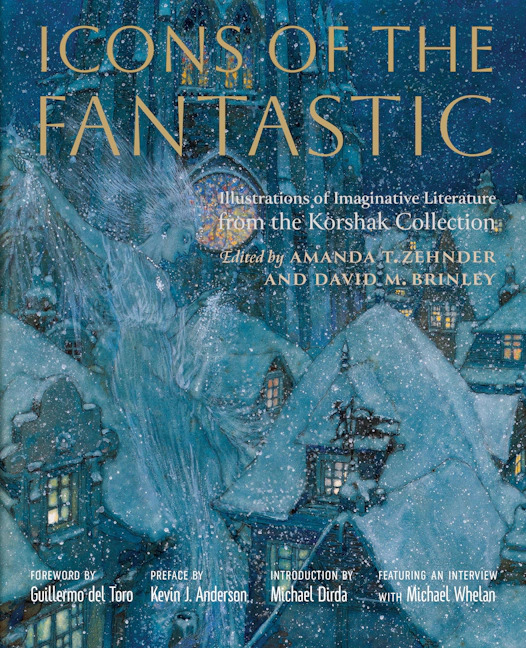
My shelves groan and bow and creak with our collection of art books and artist biographies; by this point in my life probably the last thing I need is another—and yet …
I didn’t hesitate for a moment to get a copy of Icons of the Fantastic: Illustrations of Imaginative Literature from the Korshak Collection. I couldn’t help myself. Because it’s really not your typical f&sf art book, not by a long shot.
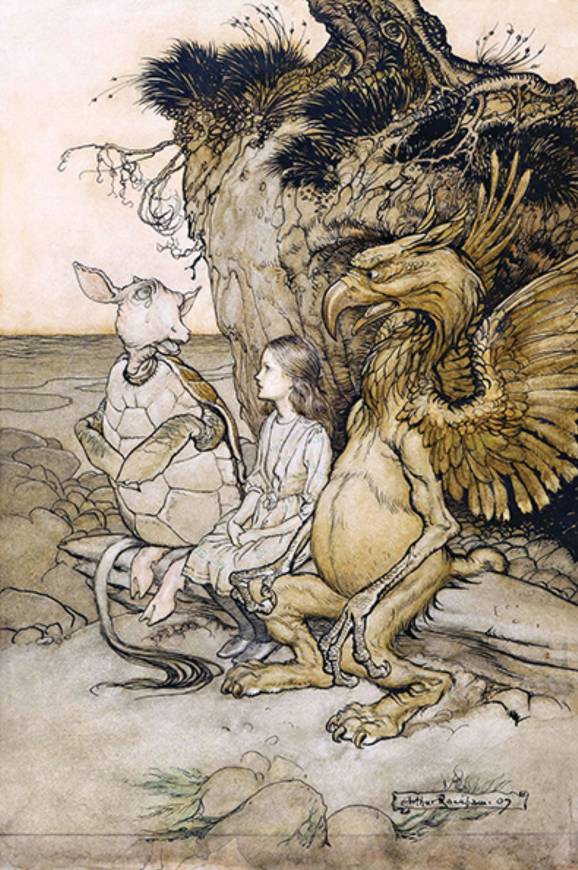
Above: “The Mock Turtle (Alice’s Adventures in Wonderland)” by Arthur Rackham.
Carefully compiled, organized, and edited by Amanda T. Zehnder and David M. Brinley, there are numerous pages of beautiful and amazing art by a wide variety of artists, but it doesn’t attempt to be a comprehensive history of the field and its participants: it’s not claiming to be the “best of the best” (though some of the paintings could and should be characterized as such).
But at the same time I believe it is perhaps more expansive and far-ranging, more eclectic, than other collections of fantastic art. I honestly can’t think of another that includes work by N.C. Wyeth, Arthur Rackham, Edmund Dulac, and William Russell Flint displayed comfortably beside paintings by J. Allen St. John, Virgil Finlay, Frank Frazetta, and Kelly Freas. And along with the art there are insightful biographical essays exploring the lives and works of José Segrelles, Wladyslaw Benda, Margaret Brundage, Hannes Bok (which is particularly good), and others along with a recent interview with Grand Master Michael Whelan conducted by editor Brinley.
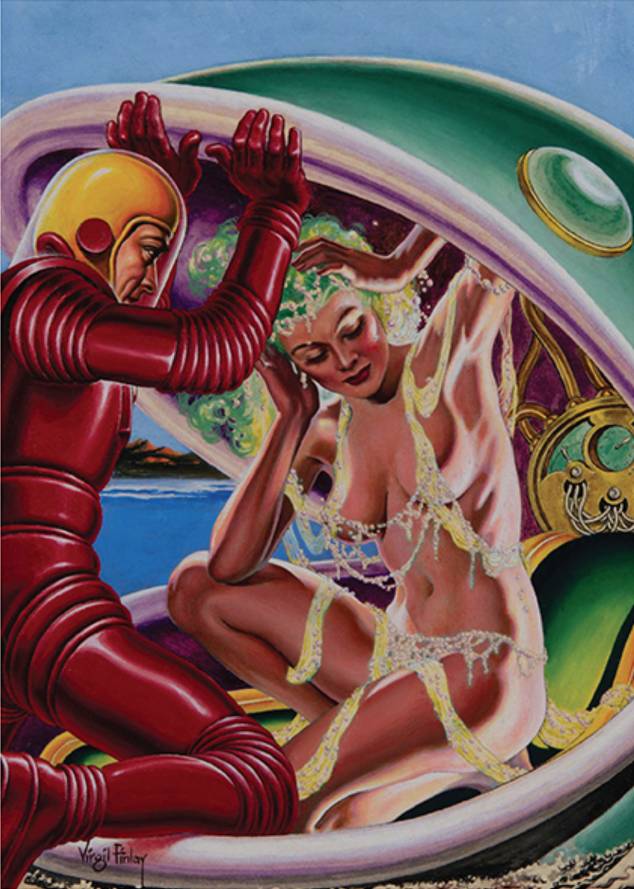
Above: “Other Worlds Science Stories” by Virgil Finlay.
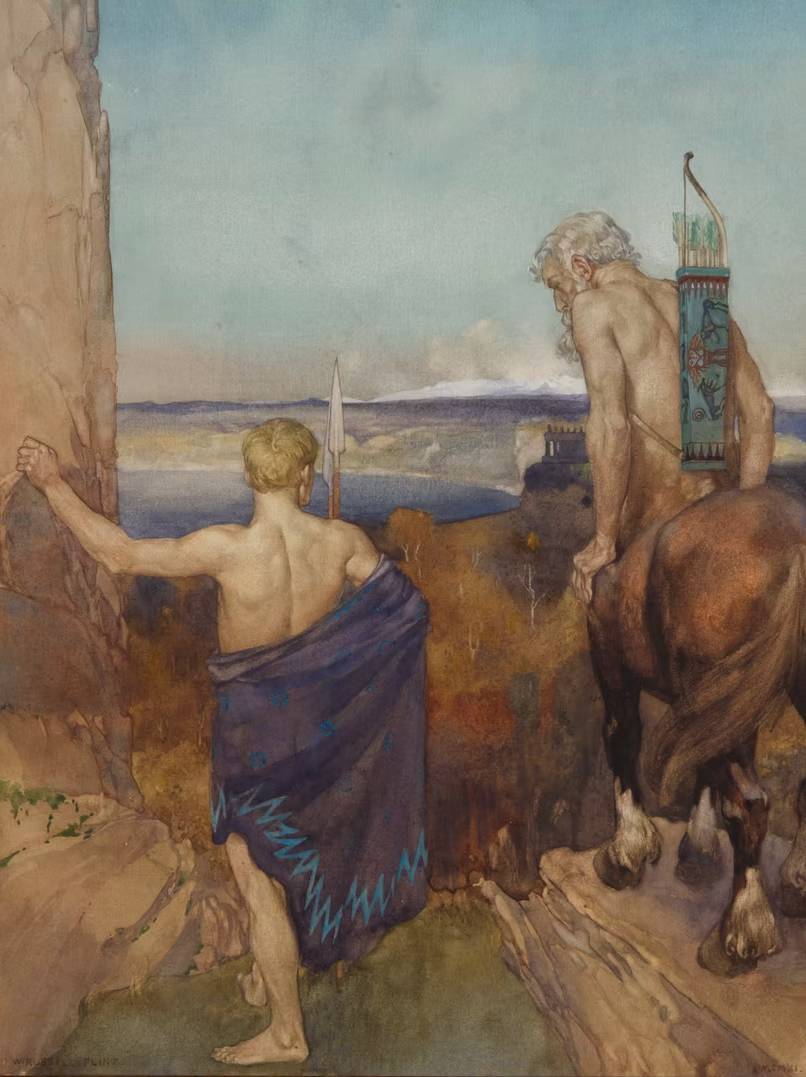
Above: “Chiron the Centaur and Jason” by Sir William Russell Flint. One of my all time favorites.
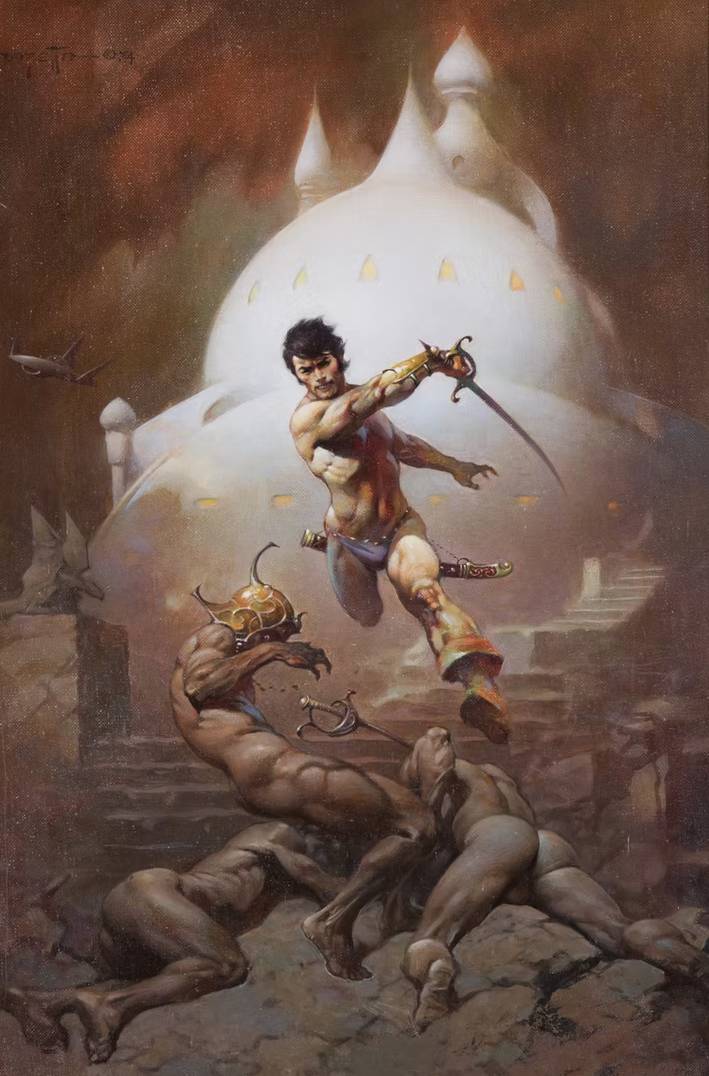
Above: “Swords of Mars” by Frank Frazetta.
There’s so much more to this volume than it simply being a lovely collection of pictures.
Certainly, this is a celebration of imagination, vision, and skill, but Icons of the Fantastic is also a celebration of family as well. Steve Korshak’s and, previously, his father Erle’s, stories as collectors and ultimately preservationists of Fantastic Art—their goals, their passions—are thoughtfully explored. And what becomes clear is that assembling the Korshak Collection over the years was not an attempt by anyone to own (or profit from) the art, but rather a way to preserve it and, more importantly, to share, examine, and promote the inspirational works of the genre’s visual pioneers.
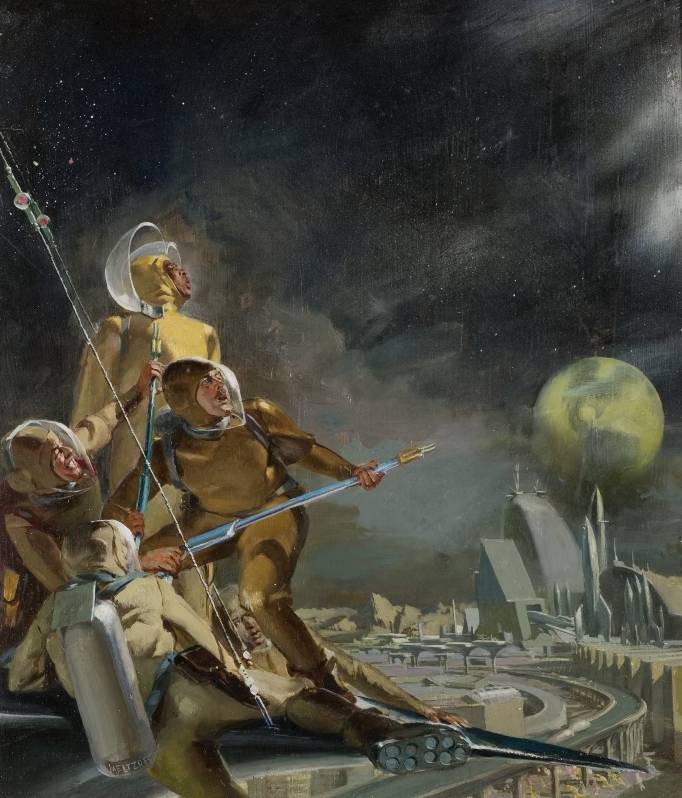
Above: “The Green Hills of Earth” by Stanley Meltzoff.
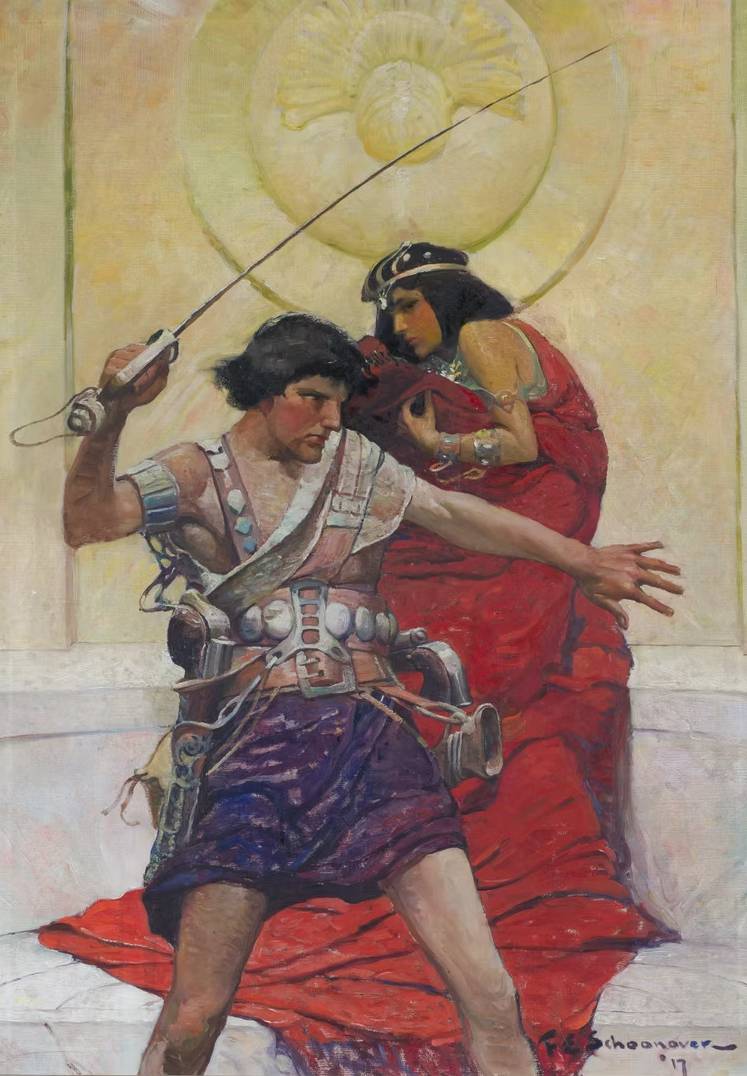
Above: “A Princess of Mars” by Frank E. Schoonover.
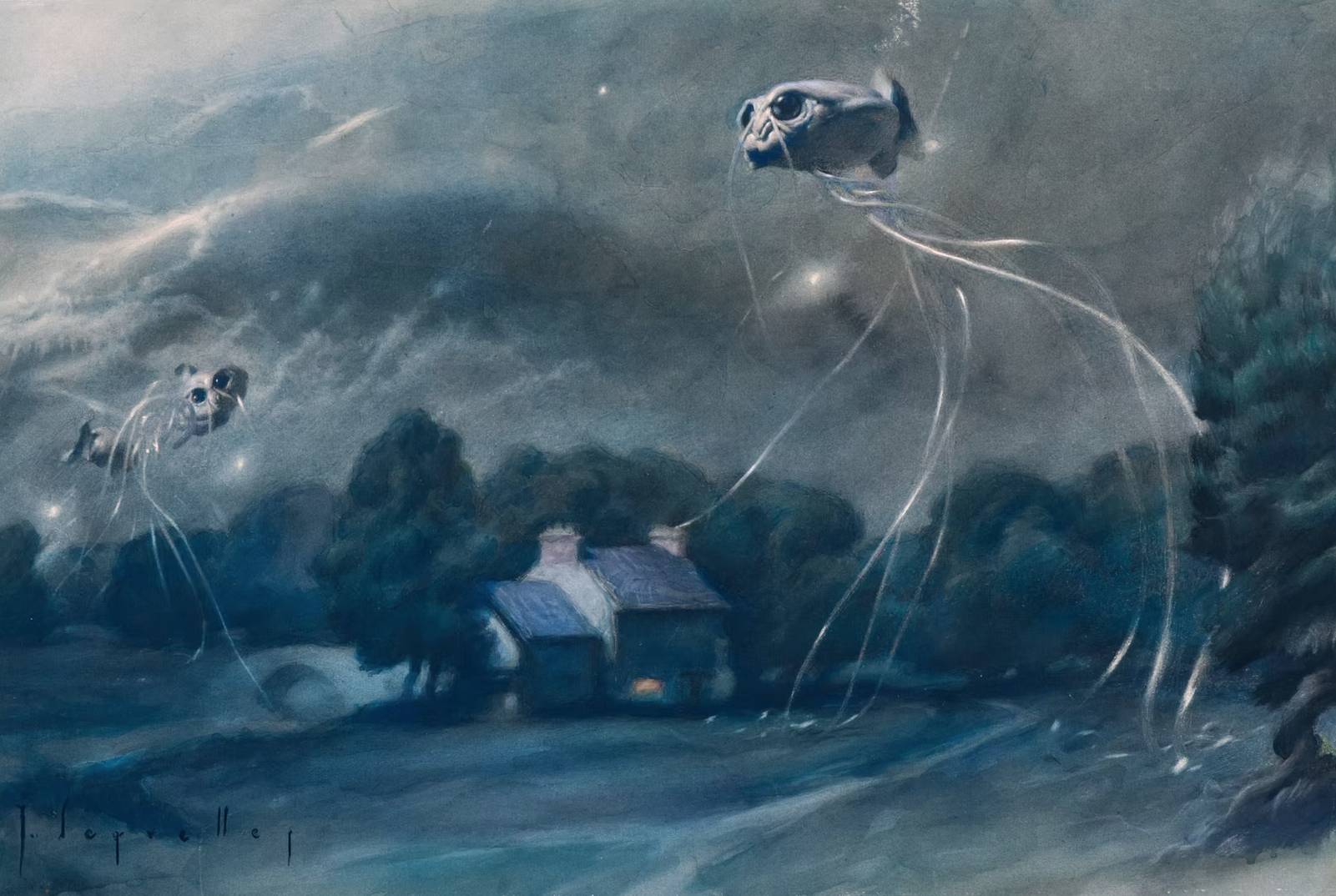
Above: “The War of the Worlds” by José Segrelles.
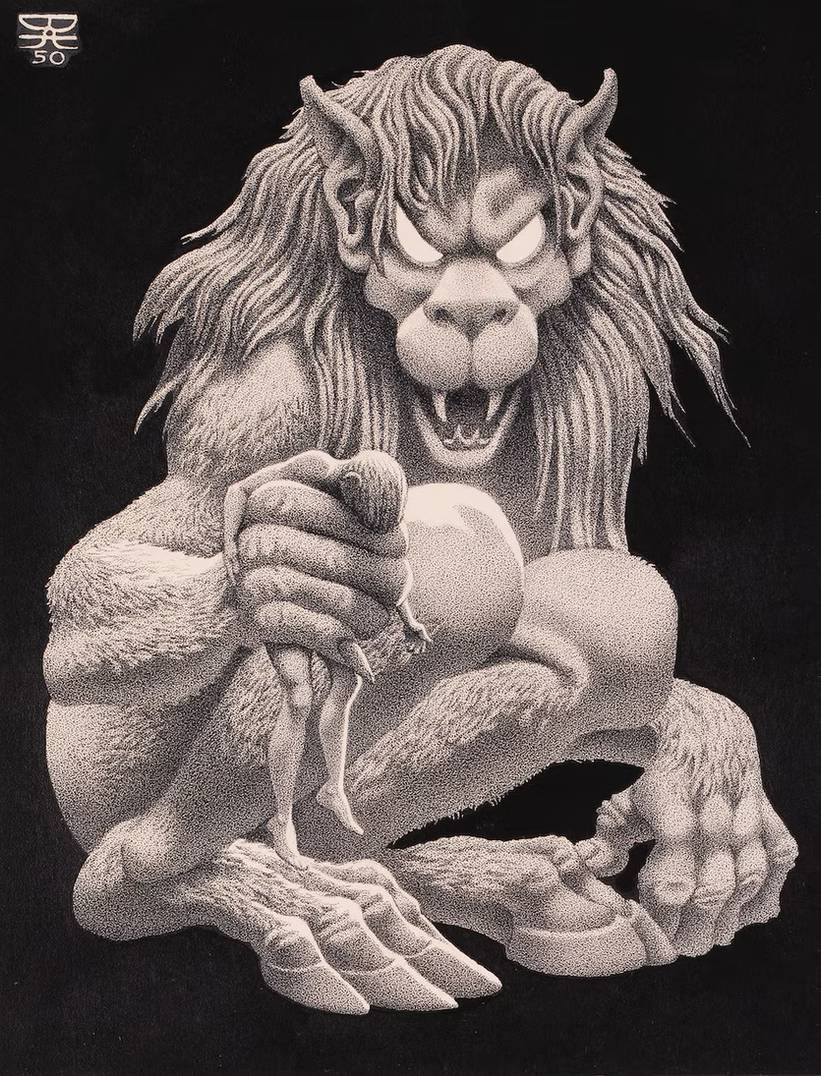
Above: “Pickman’s Model” by Hannes Bok.
In his introduction, Academy Award-winning director Guillermo del Toro beautifully explains the appeal of fantasy and science fiction illustration: “Fantastic art, then, carries the breeze from an impossible ocean shore—it liberates us not only of geography and chronology but of the mundane and the rational.” Icons provides a bridge that readers can cross to escape the ordinary and encounter not only wondrous worlds and characters and creatures, but also the wondrous people that created them as well.
Icons of the Fantastic: Illustrations of Imaginative Literature from the Korshak Collection is now available from the University of Delaware Press via this link as well as from Amazon and other fine booksellers.



Recent Comments