

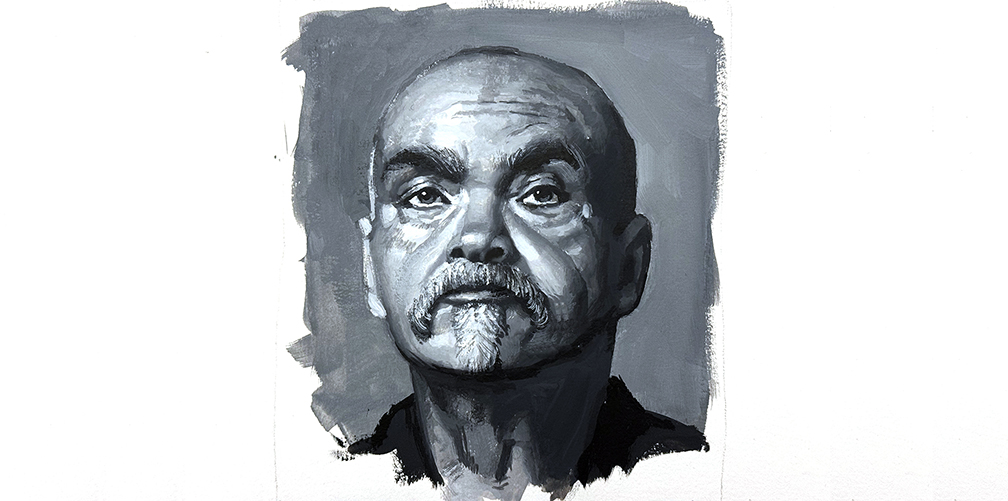
In making this video, the audio track was damaged but I still wanted to share these demonstrations with you. Time permitting, I will rerecord the audio track and repost soon.
Thank you for watching.
Instead of going back and making an audio track for the first video, I just made a follow up with commentary. Here is that video.



Thank you Ron! I have started to use gouache as it looks like a really nice technique that could suit my style well, so your video is unvaluable.
One thing I have noticed while using gouache (in swatches, not in tubes) at live painting is that it isn’t completely opaque. Furthermore, colour values change a lot from wet to dry. Specially light colors are really hard, as they get much darker, and even pure white is a value 2 when dry.
Any tips about this?
Again thanks for this video!
Hello tayete, thank you for writing and thank you for the kind words.
Knowing that gouache dries lighter because of the sugars in the binder, when they dry, the crystalize, which light travels through, making the pigment appear lighter as a result. Depending upon how much time you spend on the piece, it is a good idea to have the neighboring colors mixed at the same time so you can see their true relationship of value in the wet state which will be similar in the dry state. The lighter colors darken a little from the gum arabic, white is especially prone to yellowing more than usual if there is an abundance of binder with it. Try to use the white of the surface you are working on first, and preserve the areas of greatest whiteness. Then, I use graphic white, the kind you use to white out ink that come in bottles with a squeeze stopper. They are clean, white, and have no gum arabic in them so they will retain their whiteness when painted down.