

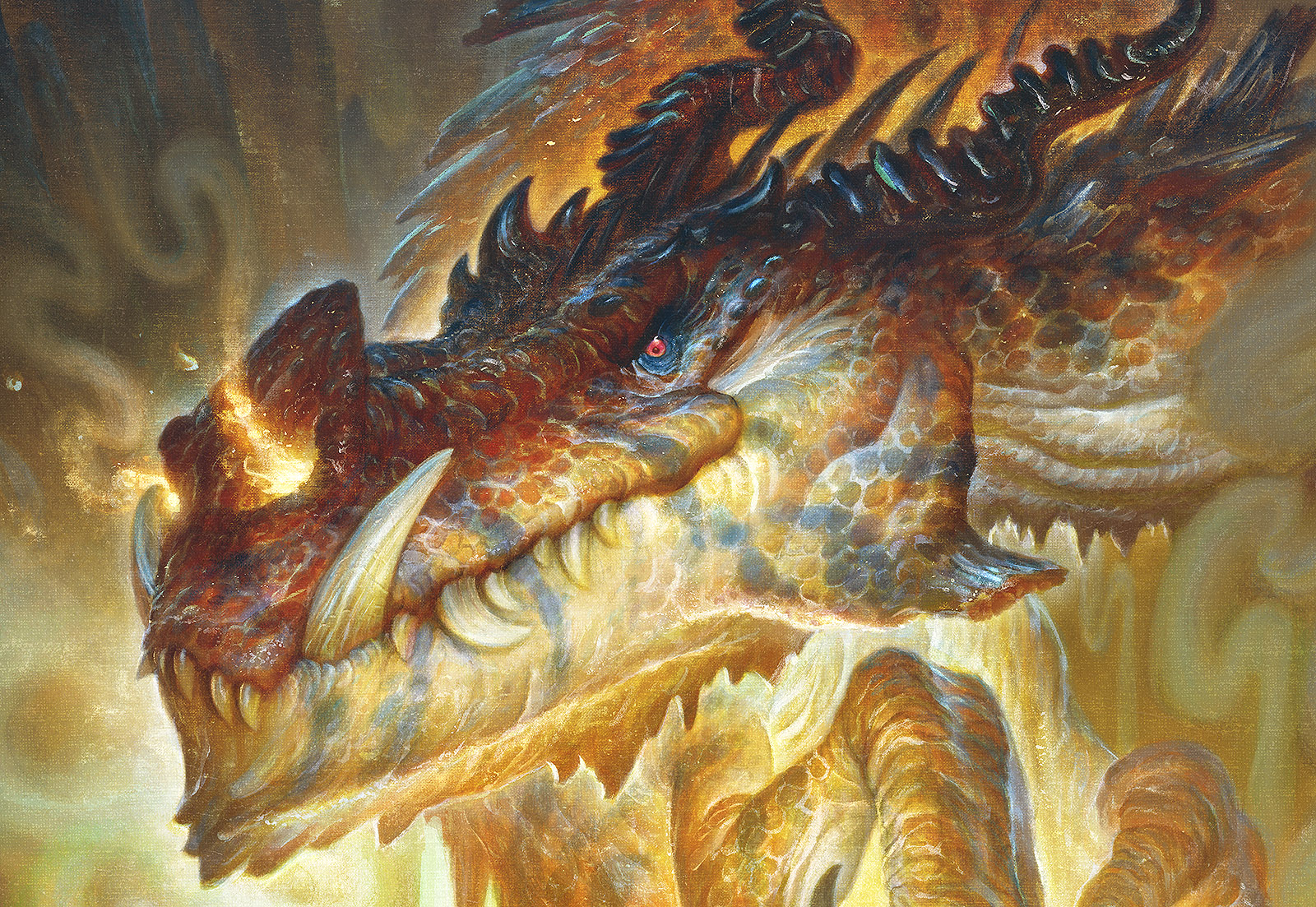
It’s the 21st century and Dragons Still Exist.
Dragons are mythical creatures that have somehow clung on as useful symbols for all of recorded history. Popular culture depicts dragons in any number of ways, but there is an increasing tendency in contemporary media towards portraying dragons not as beings of magic, or as metaphor’s for human vices, but rather as post-enlightenment ‘rationalized’ creatures whose physiology and behavior can be readily described by science.

JRR Tolkien’s Smaug was, in many ways, a metaphor for a man’s greed and nihilistic indifference toward’s his fellow man. Tolkien’s dragon is an apt way of describing rich people who horde wealth in offshore accounts while the society around them falls to ruin.
What is interesting to note is that Smaug can be described in human terms when you actually talk about him. He is greedy, vain and vengeful, but also urbane, sophisticated and has excellent manners. We all probably know someone like him. Conversely, the dragons in George R.R. Martin’s Game of Thrones series or in J.K Rowling’s Harry Potter series cannot. They can only be described in terms that one might use for natural concepts, like what you would use for a very large predator, or for very powerful technology.
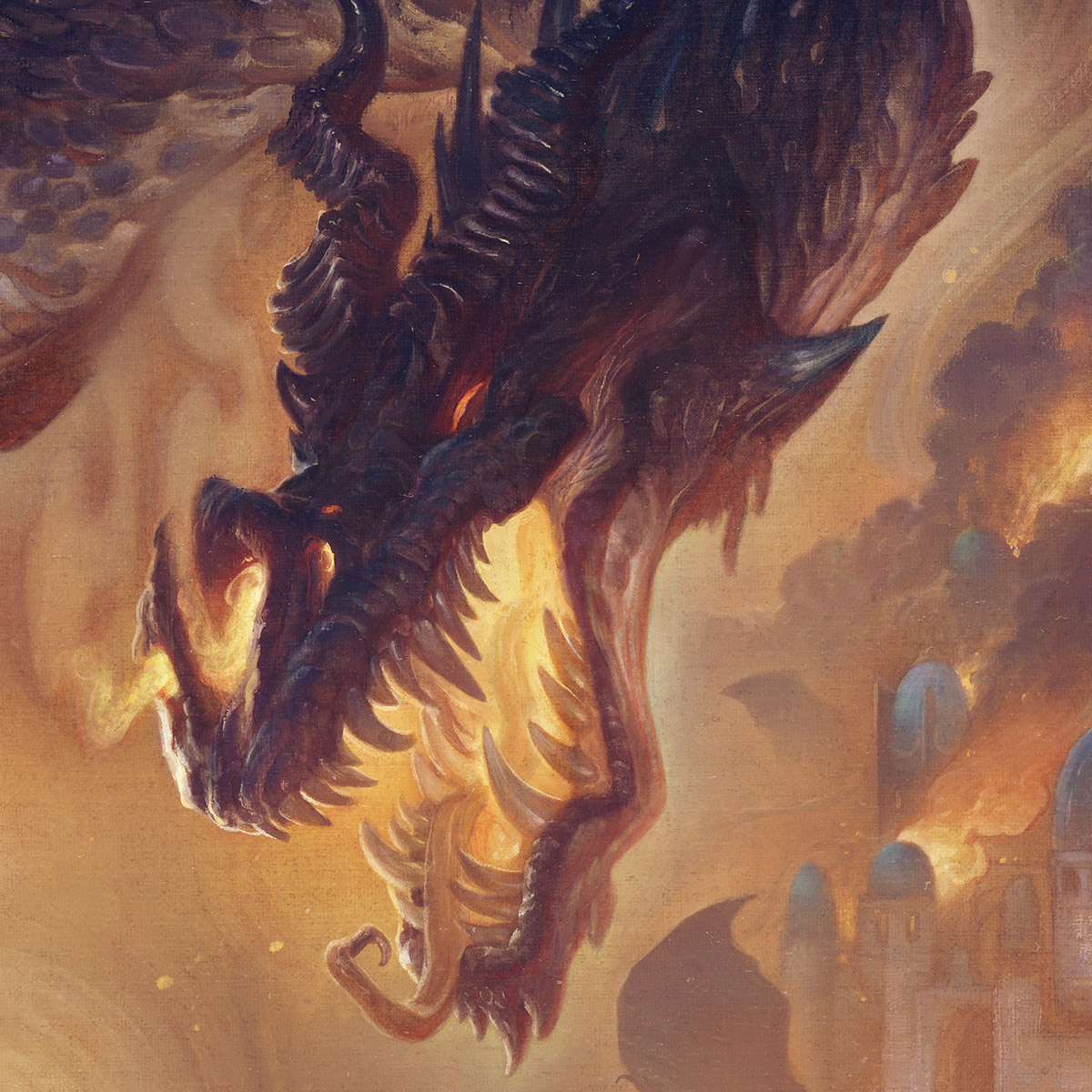
For story and art, this is an interesting change in the popular usage of dragons. There is something in our collective conscience today that responds better to this more rationalized dragon than the more classically magical or spiritual ones. Why is that? Perhaps that is because we live in a world threatened, not by lions and tigers and bears, (vending machines kill more people than sharks) but by nuclear annihilation, chemical and biological warfare, and military combat drones. Through this lens we might see Godzilla (who is often interpreted as a symbol of the awakening of nuclear power) a prototypical modern dragon.
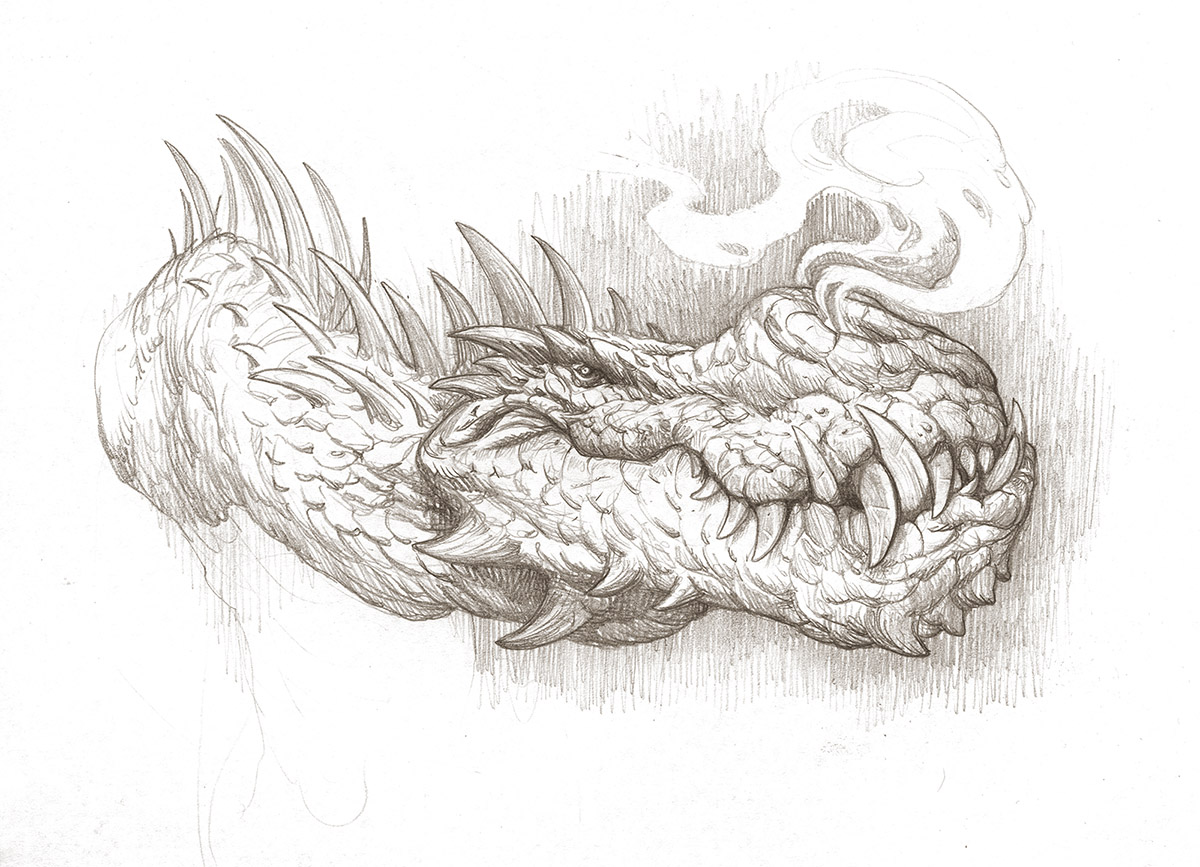
In our stories and art, dragons now offer a means of personifying and discussing morally neutral technology like Nuclear energy, chemistry and robotics to a modern man who has pulled back the curtain of the universe and has mastered everything natural; everything that is, but himself apparently.
Which is why these modern dragons are still such worthy additions to our stories and deserve deep and serious contemplation. After all, while they might be harnessed to fly us to the stars, all it will take is one madman out of 7 billion to bring about the end of human civilization.
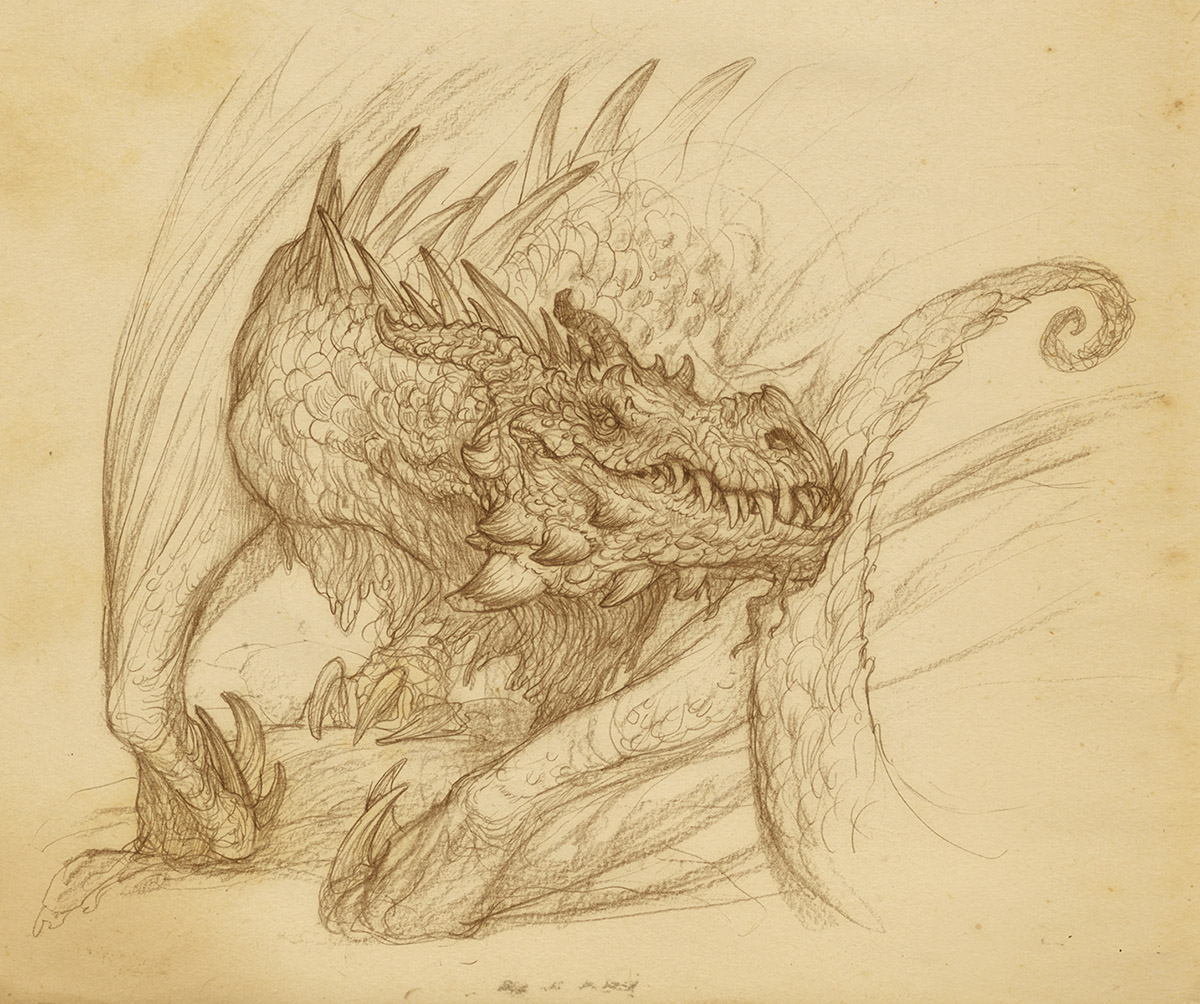
For a great MC article on the History of Dragon’s in Art, check out William O’Conner’s article on the subject.
For another MC article that outlines Tolkien’s own words on dragons, check out Character in Dragons.


Great article! Some nice relation to real world concepts, people and tech.
While some of your dragons are badass, most of them seem to have a balance between having the ambitions to be the villain but also enjoying a discussion on the intricacies of knitting over a cup of Earl Grey.
Whatever we do with them, they should not be abused, they have feelings, too and should be let to roam freely!
Well said! And you are right that most of mine probably fall on the side of attributes of human psyche over concepts of technological power. But I still really like the others as well! The latter kind offer a great chance to make really compelling story for the heroes and villains who are harnessing them for their own purposes.
Great read as always, Justin.
Quick question, though: did you ever end up offering prints of your Spectrum 24 poster from which that third dragon image is from (http://muddycolors.blogspot.com/2016/07/spectrum-24-poster.html)? I’d love to have some Fall of Gondolin on my wall.
Thanks Bre! I will be offering that print and several other new ones in January!