

of craft and understanding knows that the absence of paint on the
canvas can sometimes lead to the best results. Little patches of not covered canvas, either
white or with an imprimatura, or a transparent underpainting, bring light into the painting making it more
vibrant and lively. The absence of thick
paint allow light falling onto the painting to reflect through the layers of
paint. This creates a feeling of painting being flooded with light, or an impression that the
painting itself emanates light. When it comes to painting, there are a few
basic elements that, when approached and applied properly, usually lead to a
successful piece; things like composition, tonal and color arrangements, the
expressiveness of the application of paint, the presence (suggestion) of light
in the painting, etc. Most people react
to the aspect of light in the painting as something that appeals to them more
than any other aspect, regardless the subject matter or a type of light
depicted. Consciously and unconsciously, we yearn for light!
Many painters, old
as well as contemporary, have applied this technique often achieving wonderful
results characterized by the impression of lightness, airiness and
effortlessness. But the ability to properly apply this technique comes with
experience (surprisingly… ) for only through practice is one able to master it and
therefore make the painting more extraordinary, instead of just creating a
feeling of unintended or artificial “unfinishness” . This absence of paint has
to be organically woven into the painting as a whole. I think one of the best examples of the power
of this principle is the work of Rembrandt. Unlike the wide spread notion that
the main quality of his work is to be found in the thick and expressive impasto
parts, in fact the true secret of his work lies in his transparent and vibrant shadows.
 |
| Gustav Klimt, Pallas Athene |
the clues “ behind the physical canvas”, here is another explanation.
goals without it. Why speak, when silence has already spoken. As one
progresses, one learns how to free himself from the unnecessary, and therefore
burdens himself only with what really matters to him.
become aware of the idea of the power of ABSENCE, or “acting by not acting”, it
takes many years to fully accept, incorporate and eventually apply it properly in one’s
work. It seems obvious that one of the main obstacles is not being able, or not
willing to believe that in order to create a really extraordinary impact, one
does not have to always “shoot from all canons”, so to speak. This brings me to
the related subject of the overuse of elements and details in a painting. Again, it
takes time and experience (professional as well as life experience) to realize
and truly accept that all that abundant presence of forms and details, sparkling
glitter and glamour on the surface, not necessarily reflect the essence of
things. Moreover, it is not unwise to conclude that – the more glitter on the surface, the greater
the possibility that the things are hollow and empty from inside. This principle of compensation is very indicative
and often points out towards the notion of substitute, a substitute for
something that is missing, something more fundamental.
 |
| Gustav Klimt, Unterach on the Attersee |
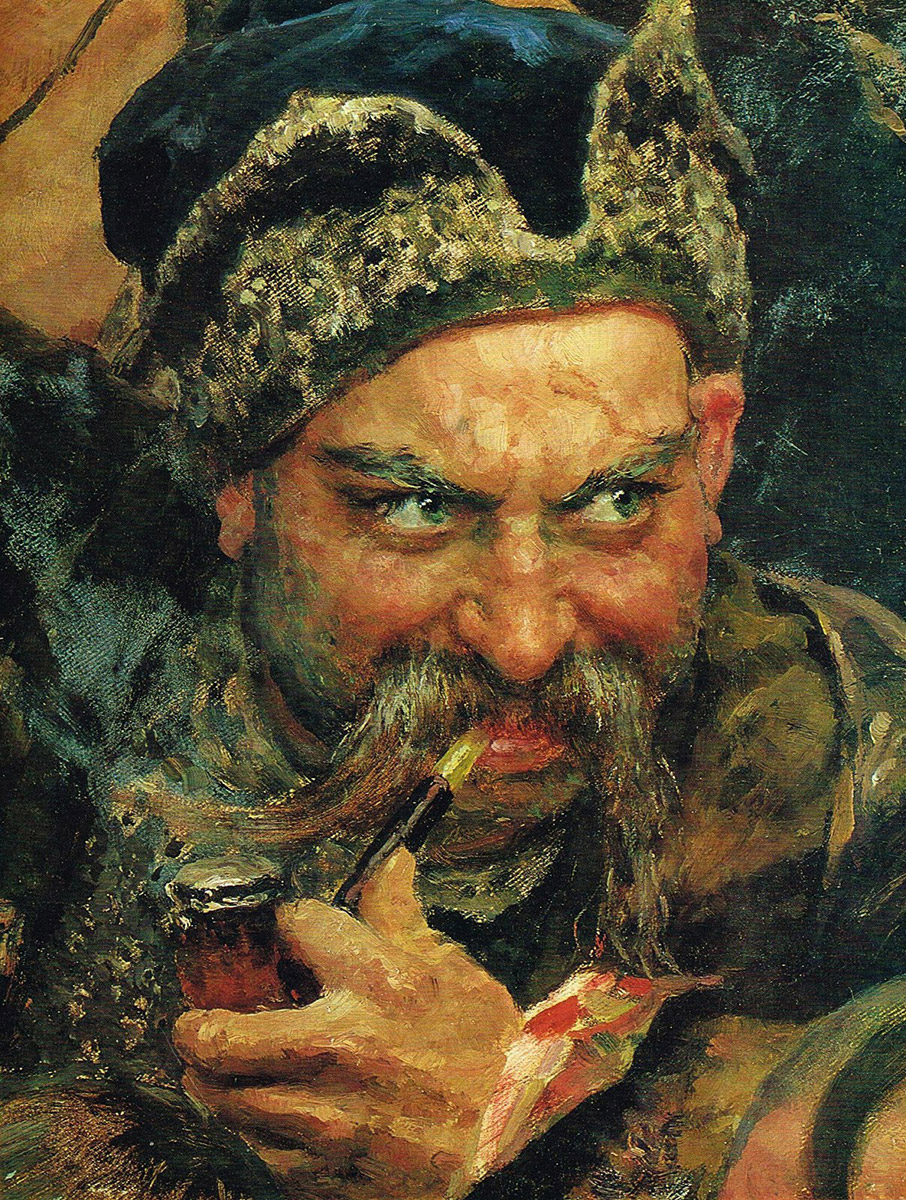 |
| Ilya Repin, a detail from The Zaporozhian Cossacks write a letter to the Sultan of Turkey |
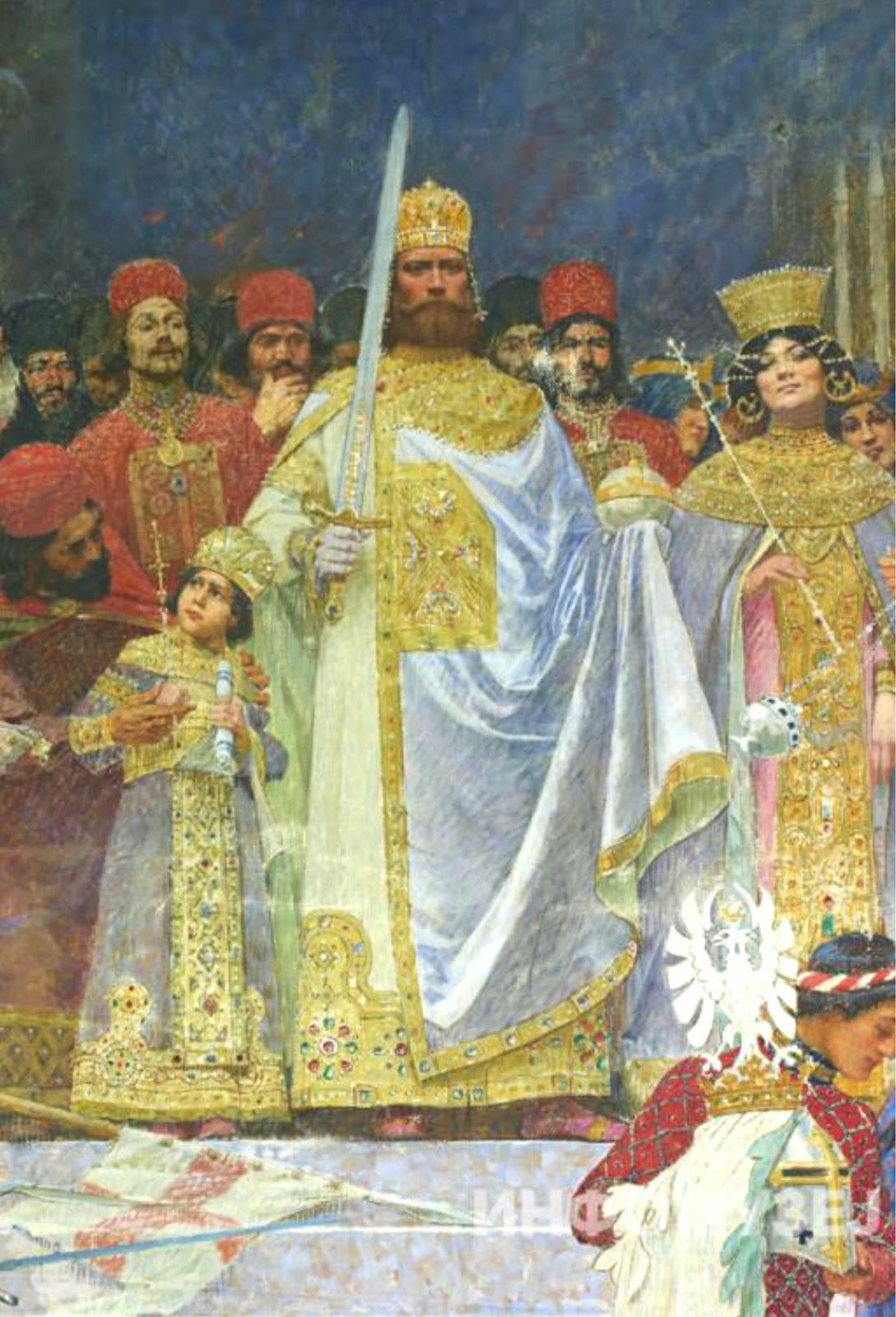 |
| Paja Jovanovic, a detail from The Coronation of Tzar Dusan |
 |
| Rembrandt, Selfportrait |


Great point, wonderful examples. I especially love “Reply of the Zaporozhian Cossacks”. Now that is a painting I would love to see in person.
James Gardner
So true! Great post- thanks Petar! I totally agree with James on the Repin;)
What you say about leaving space in your paintings is true. But it is so frustrating to understand that you need to do so, yet not be able to! Thank you for this article. It is a great concept to think about and work toward.
Fantastic essay Petar! Something that every painter should read and be conscious of in their work.
I understand the frustration, Beth, believe me! But at the same time it must be said that, under the presumption that one never gives up, and keeps on pushing forward, and of course is sufficiently aware of his personal limitations, then one could say with certainty that – the more frustration, the greater chance that we will accomplish something extraordinary by finally solving the problem, or reaching a particular goal we have set for ourselves. In other words – per aspera ad astra! I am sure you know this already.
Thank you, guys!
i love painting very much thinkyou
Simple, I hope this information that merits special na become a simkuring umuna shrimp for everyone
Obat Penyembuh Radang Tenggorokan
Obat Amandel Alami Untuk Anak
Obat Amandel Untuk Anak
Obat Gatal Pada Selangkangan
Obat Asam Lambung
Obat Amandel Untuk Anak
Obat Tipes Alami
Obat Tipes Alami
Great blog created by you.Thanks a lot for sharing
Omani painter
Hi Petar, this article hits the heart of the art that is in my heart! Thank you!
First, shadows are the reflection of our existence in the space. Then, our shadows overlap, intertwine, communicate. In this project, shadows are turned into subjective via representations of our mind states. Instead of being distorted by the source of light, the audience will be able to control their own shadows by wearing the headsets that collect EEG data from them and accordingly form fake shadows projected onto the ground beside them.