
As you all may or may not know from previous posts of mine, I am a graphic designer. And I am whole-heartedly a graphic designer. I love type and layout and branding and solving visual problems. I’ll take Illustrator over Photoshop any day (I probably just lost 3/4ths of my audience). I spend my work days (and many nights and weekends) designing and art directing book covers for Orbit Books. I also love illustration, even though it is not my skill. One of the best parts of my jobs is commissioning illustrators to create new art for our books.
As a general rule, we tend to keep design in-house, and freelance out illustration, because we have 3 designers on staff (me, Senior Designer Lisa Marie Pompilio, and Designer Crystal Ben). However, over the past few years especially, I’ve been watching the boundaries between what’s considered “Illustration” and what’s considered “Design” get extremely muddy. And it’s very cool.
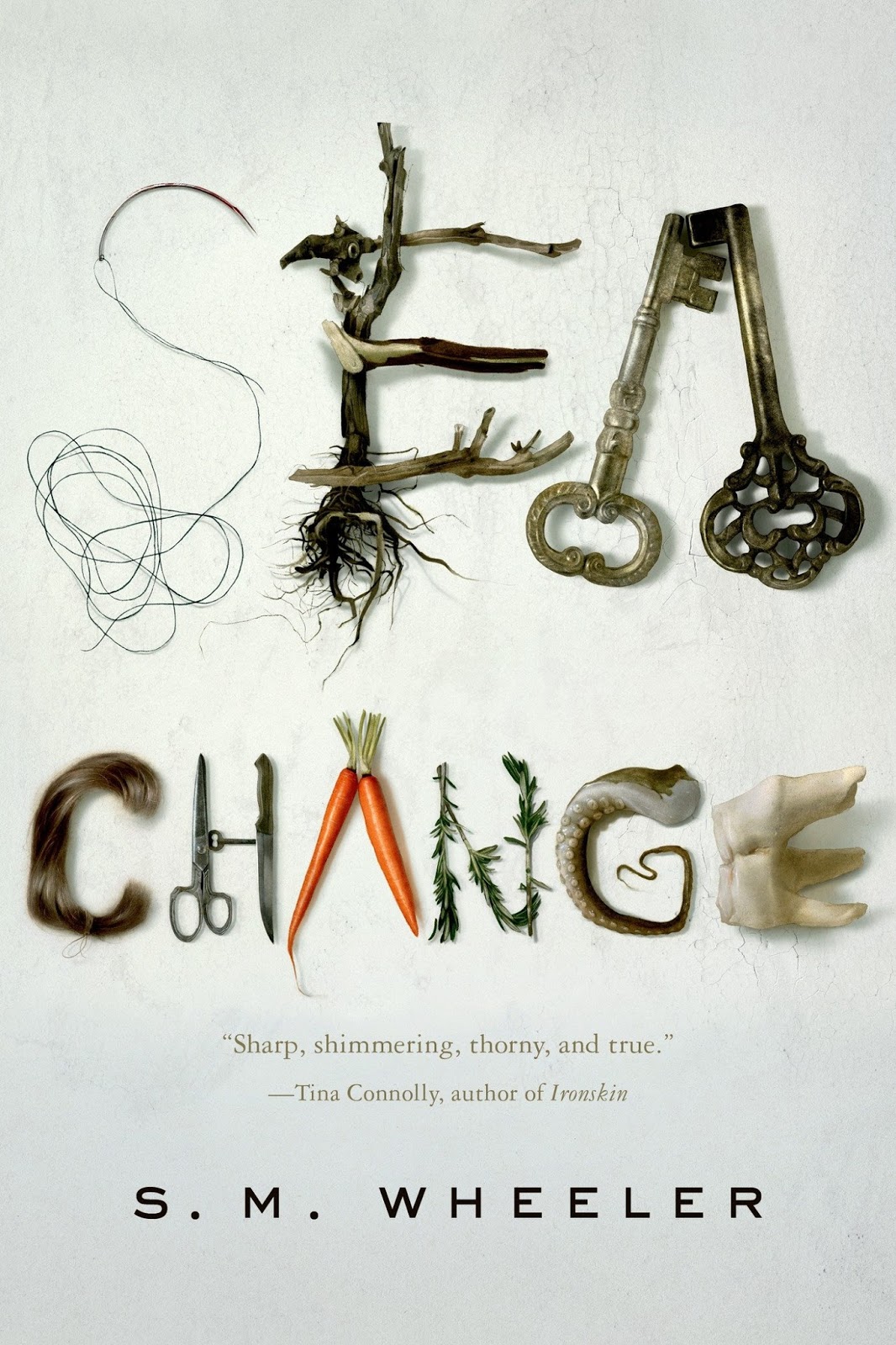
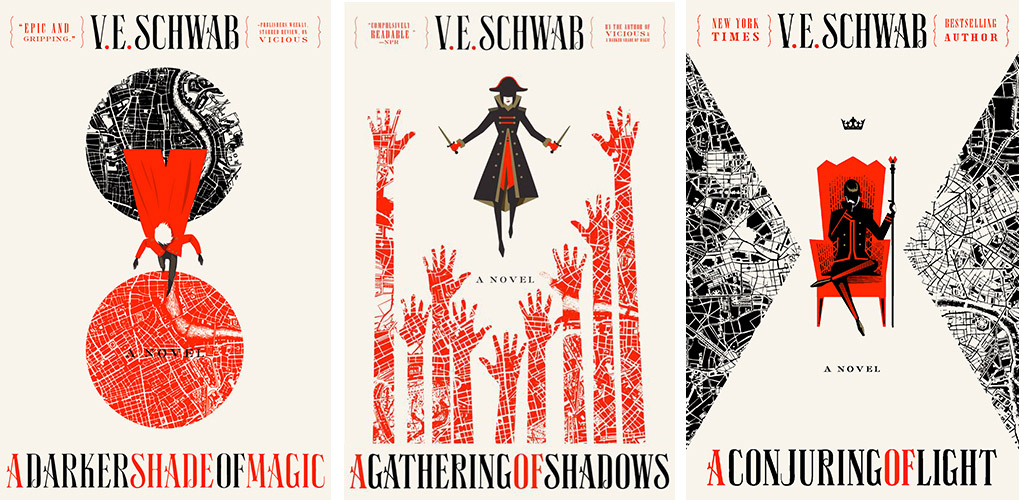
Here’s some examples of what I mean:
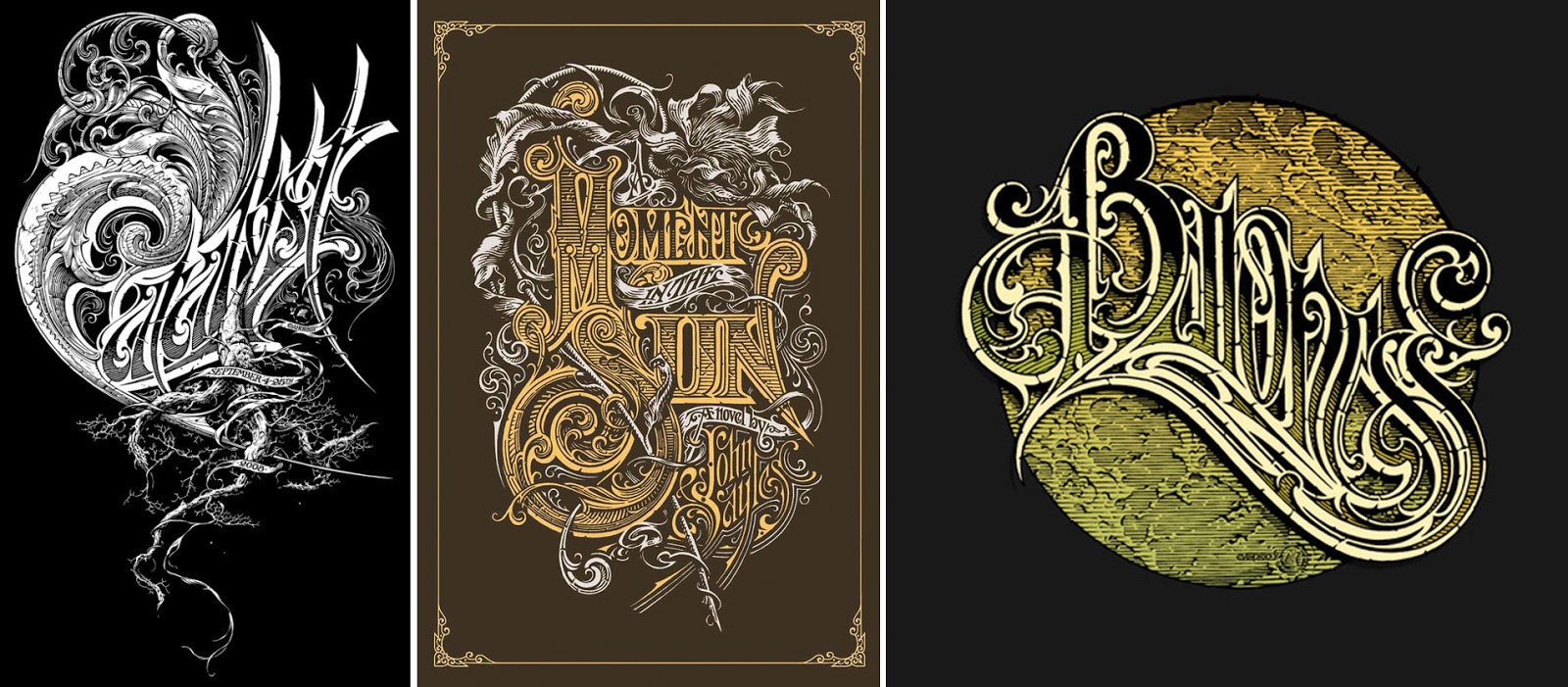


(here’s a great process post on these)
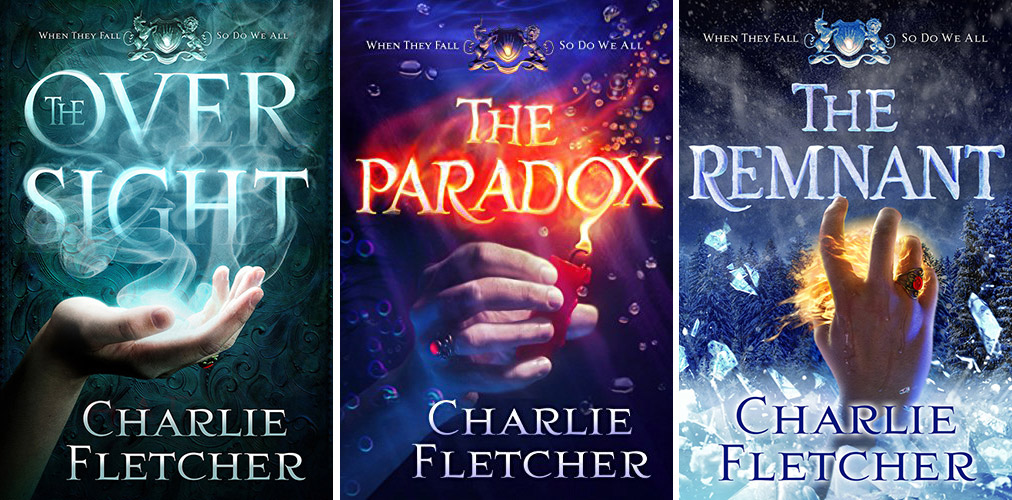

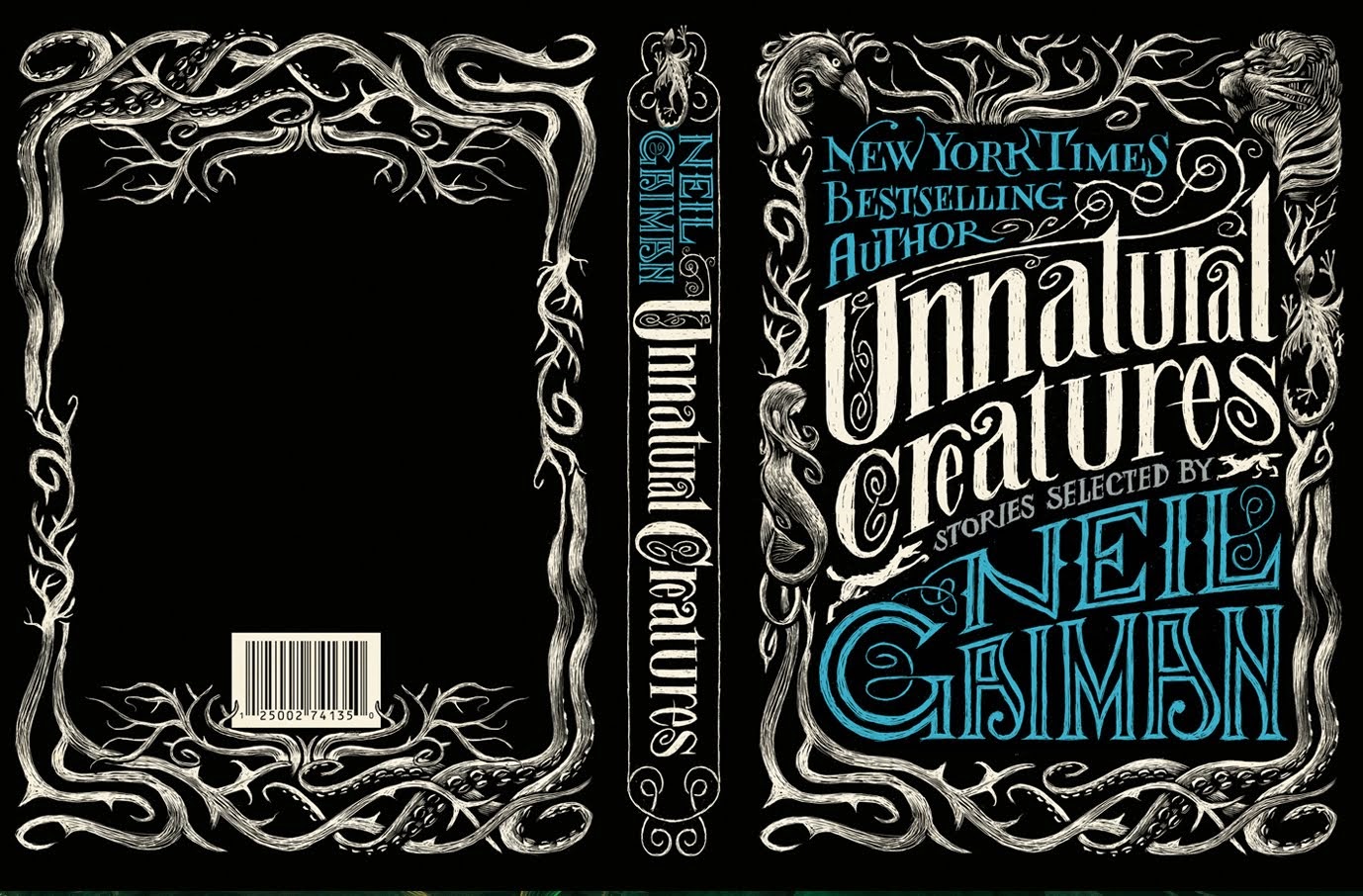
The artists above self-identify as either illustrators or designers, usually not both. So what’s the line between Illustration and Design? (I’m not even sticking a toe into the fine art world implications here).
From Merriam Webster:
illustration
-
1a : the action of illustrating : the condition of being illustratedb archaic : the action of making illustrious or honored or distinguished
-
2: something that serves to illustrate: such asa : an example or instance that helps make something clearb : a picture or diagram that helps make something clear or attractive
and:
design
-
2a : to conceive and plan out in the mind <he designed the perfect crime>b : to have as a purpose : intend <she designed to excel in her studies>c : to devise for a specific function or end <a book designed primarily as a college textbook> <a suitcase designed to hold a laptop computer>
-
3archaic : to indicate with a distinctive mark, sign, or name
-
4a : to make a drawing, pattern, or sketch of < … a curious woman whose dresses always looked as if they had been designed in a rage … — Oscar Wilde>b : to draw the plans for <design a building> <designing a new bike>
Honestly, those definitions don’t help so much. Personally, I’ve always considered Illustration the act of telling a story with pictures. My definition of Design, however, is organizing information visually. So you can illustrate with the tools of design (like typography). You can also design with the tools of illustration (like making a completely pictorial logo).
In my opinion, the muddier the waters get, the better.


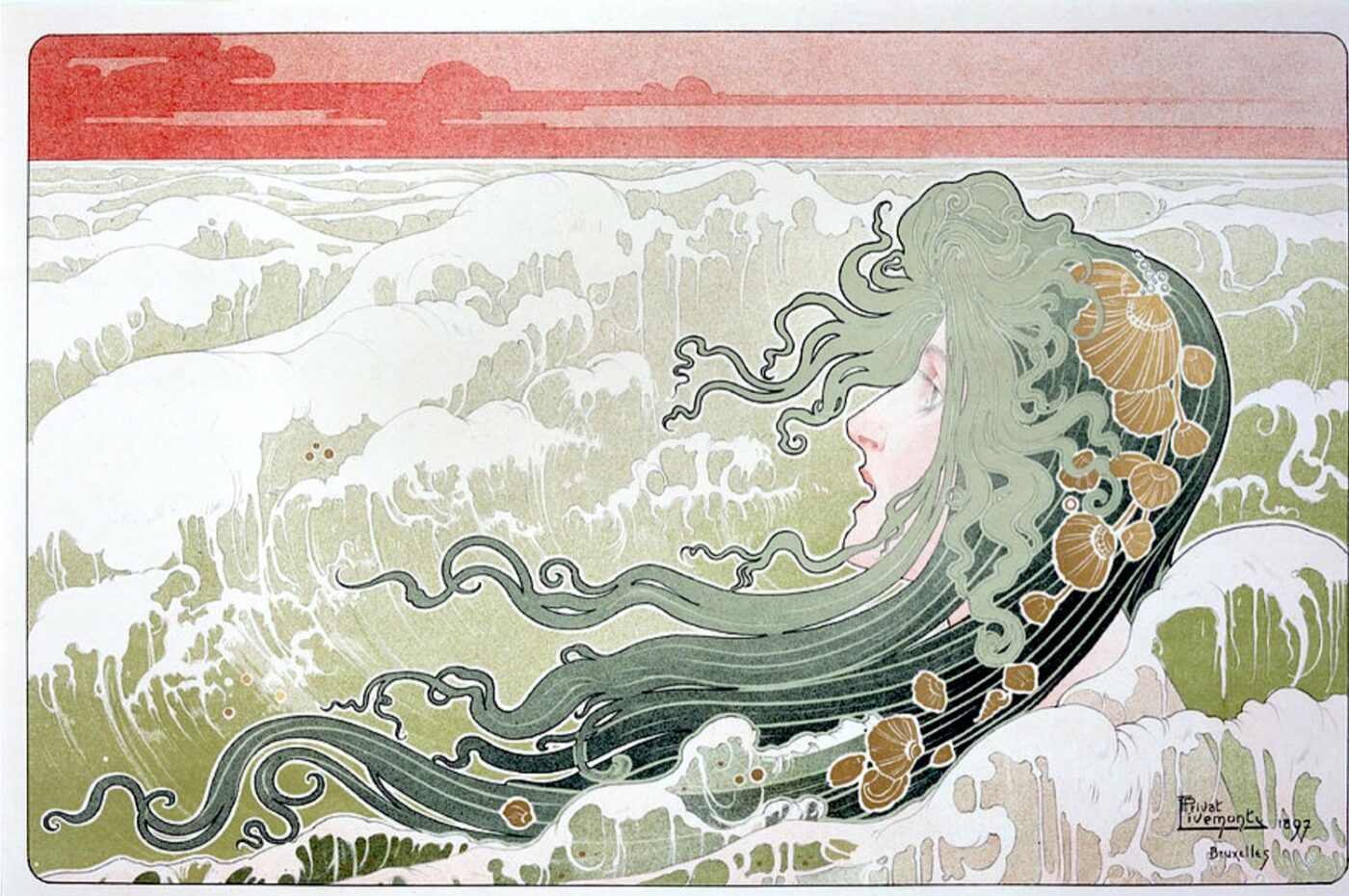
My sister would call the posted samples “'designerly' illustrations”, and I'd be fine with that. For my part, I appreciate the distinction between the disciplines defined as “illustration” and “design”. I think the difference is generally well understood (as evidenced by the number of people I know where “Illustration & Design” follow their names on business cards). But either can borrow from the other, in varying amounts, and be “both” without being “neither”.
I think that crossover in contemporary tools is manifestly more potent (and blurs the lines further) with the use of digital technologies. The simple accessibility of design tools for illustration (and the reverse) within the Adobe suite or any number of modern software contenders has dramatically expanded the potential cross-discipline adoption.
Typography, traditionally the purview of a designer, is not something typically addressed by illustrators. I can think of a few who actually liked incorporating the design aspects of analog type into an illustration (Mucha, Stephen Hickman, Dave McKean), but most would rather focus on the picture. With digital technologies, it's so much easier to think about type, layer it in, and then change it up. For the right project, I think that's really powerful. And the continuity is provides across a series of covers is undeniable.
I love the retro vibe of Will Staehle's covers for VE Schwab's books (hugely recommended reading), and it was their “designerly” look that set them apart and caught my eye.